


CBN cuts Interest Rate again to 26.5%

 Quick Read
Other key parameters were left unchanged, with the Cash Reserve Ratio retained at 45 per cent for commercial banks and 16 per cent for merchant banks, the Liquidity Ratio held at 30 per cent, and the standing facilities corridor maintained at +50 and –450 basis points around the MPR.
By Kazeem Ugbodaga
In a decisive policy shift after months of tight monetary conditions, the Central Bank of Nigeria has reduced its benchmark Monetary Policy Rate (MPR) by 50 basis points to 26.5 per cent from 27 per cent, marking its second rate cut in five months.
The decision was taken at the 304th meeting of the Monetary Policy Committee (MPC), held on Tuesday in Abuja, with all 11 members in attendance voting in favour of the reduction.
Other key parameters were left unchanged, with the Cash Reserve Ratio retained at 45 per cent for commercial banks and 16 per cent for merchant banks, the Liquidity Ratio held at 30 per cent, and the standing facilities corridor maintained at +50 and –450 basis points around the MPR.
The move comes on the back of fresh data released by the National Bureau of Statistics showing that headline inflation eased marginally to 15.10 per cent in January 2026 from 15.15 per cent in December 2025.
This represents the tenth consecutive month of moderation in price pressures, reflecting improved food supply conditions, relative foreign exchange stability and the lingering impact of previous aggressive tightening measures.
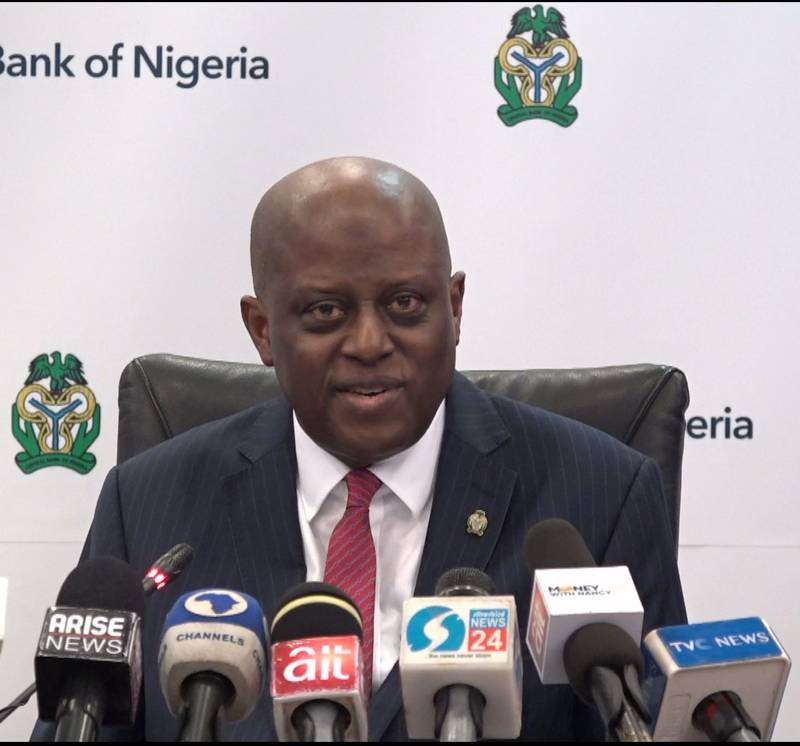
Addressing journalists during a live-streamed briefing, CBN Governor Olayemi Cardoso described the decision as a balanced intervention designed to preserve price stability while creating room for credit expansion to stimulate domestic productivity and investment.
He noted that the committee remains vigilant but increasingly encouraged by sustained macroeconomic improvements.
The latest adjustment follows a similar 50-basis-point cut in September 2025, when the rate was reduced from 27.5 per cent to 27 per cent, ending a prolonged hiking cycle that had pushed borrowing costs to record levels in response to surging inflation.
Comments