



Sachet Alcohol era ends as federal government begins strict monitoring

 Quick Read
Speaking on the health risks, she warned that alcohol can damage parts of the brain responsible for memory, learning, and self-control. She added that starting to drink before age 15
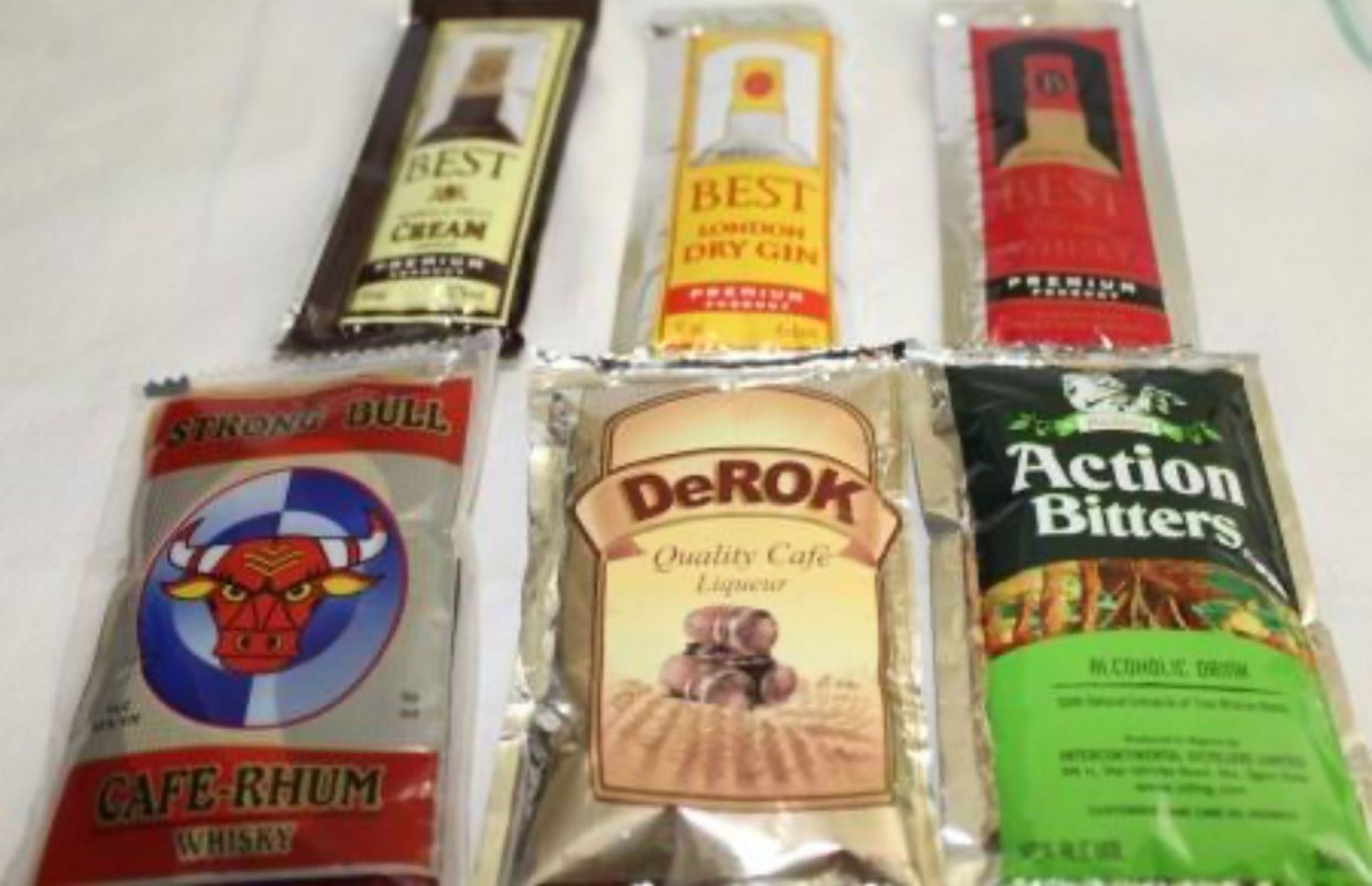
The Federal Government has started enforcing the ban on alcoholic drinks sold in sachets and small plastic or glass bottles under 200 millilitres.
The enforcement campaign was officially launched in Abuja on Tuesday. It was organised by the National Orientation Agency (NOA) together with the National Agency for Food and Drug Administration and Control (NAFDAC) and the Federal Competition and Consumer Protection Commission (FCCPC).
The ban took effect on January 1, 2026. It stops the production, distribution, and sale of alcohol packaged in sachets and bottles smaller than 200ml. The government says the aim is to reduce underage drinking and harmful alcohol use.
The Director-General of NAFDAC, Professor Mojisola Adeyeye, said the decision followed years of discussions and worrying survey results about alcohol use among young people.
She explained that alcohol in sachets often has very high alcohol content — about 50 per cent — compared to beer, which contains about six to eight per cent. She said these sachets are cheap, easy to hide, and easily available, making them attractive to minors.
According to her, discussions about regulating sachet alcohol started in 2018. Industry groups had raised concerns that the ban would affect their businesses.
At that time, the former Minister of Health, Professor Isaac Adewole, gave them a five-year grace period to adjust. That period ended in February 2024.
When NAFDAC tried to enforce the ban, there was resistance, including complaints to the National Assembly.
Later, in December 2024, the current Minister of Health, Professor Muhammad Pate, gave another one-year extension before strict enforcement resumed.
Adeyeye said recent surveys showed serious concerns. She revealed that 54.3 per cent of minors get alcohol by themselves. About half of them buy alcohol sold in sachets or small bottles because they are easy to hide.
She also said children as young as nine years old were found to be drinking alcohol. In some states, binge drinking among young people was reported.
Speaking on the health risks, she warned that alcohol can damage parts of the brain responsible for memory, learning, and self-control.
She added that starting to drink before age 15 increases the risk of alcohol addiction by 41 per cent. It can also lead to the use of harder drugs.
She linked alcohol abuse to social problems such as crime, saying
Comments