


NCDC, NMA Urge doctors to heighten vigilance as Lassa fever persists

 Quick Read
Health authorities said early detection, prompt treatment and strict infection control measures remain critical to reducing mortality and preventing outbreaks.
By Abujah Racheal
The Nigeria Centre for Disease Control (NCDC) and Prevention and the Nigerian Medical Association (NMA) have urged doctors and healthcare professionals across nationwide to heighten vigilance and there strictly to infection prevention and control measures amid ongoing transmission of Lassa fever.
The advisory, published on Tuesday on the NCDC website and signed by the agency’s Director-General, Dr Jide Idris, warned that Lassa fever remained a significant public health concern in Nigeria, particularly during the dry season between November and April.
According to the NCDC, recent surveillance data indicate continued transmission of the disease across several states, with a concerning number of infections recorded among healthcare workers.
The agency said a significant proportion of infected healthcare workers this season were doctors and nurses, highlighting the risks faced by frontline medical personnel who are often the first point of contact for patients with undiagnosed febrile illnesses.
“Protecting healthcare workers and preventing healthcare-associated transmission must remain a national priority,” the advisory stated.
The NCDC urged clinicians to maintain a high index of suspicion for Lassa fever in patients presenting with fever and related symptoms, particularly in endemic and high-burden states.
It advised doctors to consider Lassa fever in cases involving persistent fever that does not respond to malaria treatment, as well as symptoms such as headache, sore throat, malaise, vomiting, abdominal pain, diarrhoea, unexplained bleeding or facial swelling.
The agency noted that early recognition, prompt isolation of suspected cases and immediate notification of health authorities remained essential to preventing spread of the disease within healthcare facilities.
It added that particular attention should be given to high-risk areas in hospitals, such as outpatient departments, emergency units, and obstetrics and gynaecology wards, where many patients first presented for treatment.
According to the advisory, delayed recognition of suspected cases in these clinical areas has been identified as a key factor contributing to healthcare workers’ exposure.
The NCDC also emphasised strict compliance with infection prevention and control measures during all patient interactions.
“These measures include regular hand hygiene, proper use of personal protective equipment, safe disposal of sharps and contaminated materials, and thorough cleaning and disinfection of clinical environments.”
The agency urged healthcare facility managers to ensure consistent availability of infection prevention supplies such as gloves, masks, gowns, disinfectants and hand hygiene materials.
It also advised healthcare workers, who developed symptoms consistent with Lassa fever to promptly report to designated health authorities and seek medical evaluation.
The NCDC warned against self-medication or delaying treatment, noting that recent analyses showed that delays in seeking care among infected healthcare workers had contributed to severe outcomes.
The advisory further urged health facilities to strengthen preparedness by ensuring regular training of staff on Lassa fever recognition and infection prevention practices.
Hospitals were urged to establish clear triage systems for suspected cases, maintain functional isolation areas and ensure that all categories of healthcare workers, including cleaners, laboratory personnel and administrative staff, were trained in infection prevention protocols.
The NCDC noted that doctors played a crucial leadership role in promoting infection prevention practices within health facilities and strengthening national preparedness against infectious disease outbreaks.
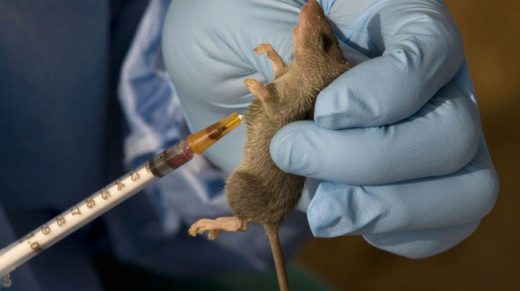
The News Agency of Nigeria(NAN), reports that Lassa fever is an acute viral haemorrhagic illness caused by the Lassa virus and is primarily transmitted through contact with food or household items contaminated by rodents.
Nigeria records cases of the disease annually, particularly during the dry season when human exposure to infected rodents tends to increase.
Health authorities said early detection, prompt treatment and strict infection control measures remain critical to reducing mortality and preventing outbreaks.
(NAN)
Comments