


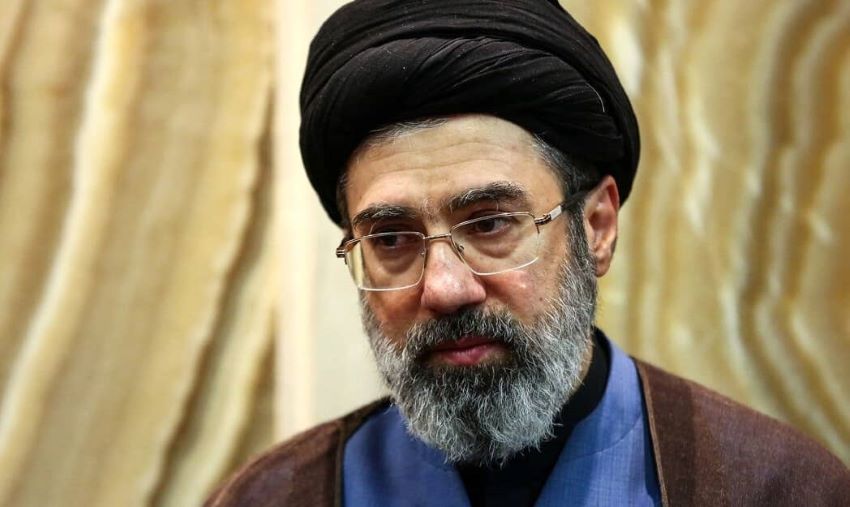
Breaking: Iran’s new supreme leader Mojtaba Khamenei issues powerful first statement

 Quick Read
“We will not hesitate to avenge the blood of Iranians who have been killed,” Khamenei said, referring in particular to the Minab incident, which Iran says claimed the lives of at least 168 people, including around 110 children.
Iran’s newly appointed Supreme Leader, Mojtaba Khamenei, has delivered his first public message since taking office, vowing to “avenge the blood of Iranians” killed in the ongoing conflict involving the United States and Israel.
The statement was broadcast on state-controlled television on Thursday.
In the robust address, Khamenei singled out an attack near the southern city of Minab, which Iranian authorities say killed at least 168 civilians, including around 110 children. He pledged that Tehran would hold those responsible to account.
“We will not hesitate to avenge the blood of Iranians who have been killed,” Khamenei said, referring specifically to the Minab incident.
The statement also reaffirmed Iran’s stance on regional US military presence:
“The existence of the US bases in some of these countries and usage of those bases to attack Iran is not benefiting the region and they must be closed. As we said, we are not an enemy of the countries around us, and we are only targeting the bases of those Americans.”
Khamenei’s message emphasized that attacks on Gulf neighbours could continue, while insisting Iran seeks to maintain good relations with surrounding countries. The broadcast further highlighted that the Strait of Hormuz would remain a strategic lever in Tehran’s regional policy.
Notably, Khamenei did not appear on camera himself; the statement was read aloud by an Iranian state news anchor.
The announcement marks a significant moment as Mojtaba Khamenei succeeds his father, Ayatollah Ali Khamenei, who was killed earlier this month in a US‑Israeli airstrike. The new leader’s statement signals Tehran’s ongoing resolve to resist what it describes as foreign aggression while maintaining pressure on strategic fronts in the region.
Comments