



Togo seeks Increased power supply from Nigeria amid domestic demand from Nigeria

 Quick Read
The January 2026 Operational Performance Factsheet revealed low generation availability and unstable system frequency, highlighting the persistent mismatch
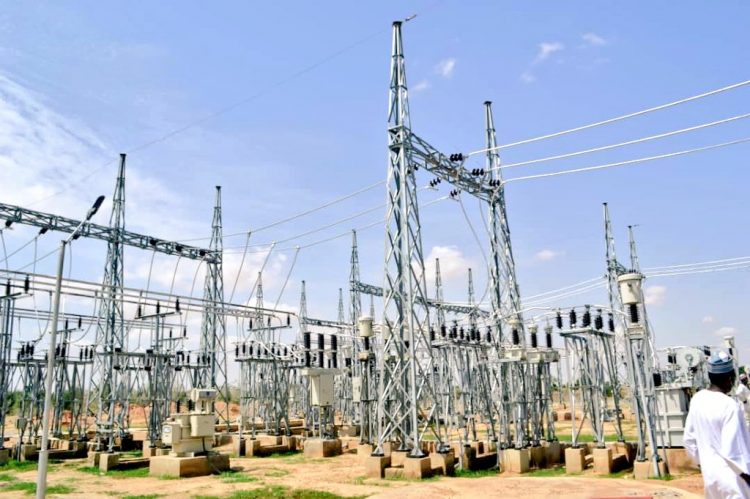
Togo, a neighbouring country of Nigeria, has requested to increase its electricity imports from Nigeria through the Niger Delta Power Holding Company (NDPHC) as it seeks to meet rising domestic power demand.
The Managing Director of NDPHC, Jennifer Adighije, disclosed this on Sunday after hosting officials from Togo’s national electricity utility for discussions on expanding the existing power supply cooperation.
The visiting delegation from Compagnie Energie Electrique du Togo (C.E.E.T.) was led by its Director General, Débo K’mba Barandao, who said the country currently purchases about 75 megawatt hours of electricity from Nigeria under a bilateral power supply arrangement. Barandao noted that the imported electricity has played a crucial role in sustaining stable power supply and supporting economic activities across Togo.
He emphasized that electricity imports from Nigeria have helped maintain reliable and affordable power for households, businesses, and public institutions, while also strengthening the stability of Togo’s national grid.
Electricity demand in Togo has increased significantly as more consumers connect to the national grid, particularly within the industrial and commercial sectors, a surge linked to government efforts to expand electricity access nationwide.
“In view of this development, C.E.E.T is strongly interested in increasing the volume of electricity it off-takes from NDPHC,” Barandao said, adding that additional power supply from Nigeria would support Togo’s expansion plans and ensure stable electricity for newly connected consumers across the country.
Responding to the request, Adighije reaffirmed NDPHC’s willingness to deepen energy cooperation and continue supplying electricity to neighbouring countries across West Africa.
She noted that the company operates several power plants under the National Integrated Power Project, providing the capacity to support increased electricity exports within the region.
According to her, this collaboration aligns with broader regional initiatives under the Economic Community of West African States (ECOWAS) aimed at strengthening electricity trade among member states. Adighije stressed that any expansion of electricity exports would require bankable and sustainable commercial agreements, including credible financial guarantees and structured payment mechanisms to reduce risks associated with cross-border electricity trade.
Despite domestic challenges, Nigeria exports electricity to fulfil long-term regional treaty obligations, earn foreign exchange, and maintain water flow from the Niger River into major dams.
In January 2026, the Nigerian Electricity Regulatory Commission (NERC) reported that Togo, Niger, and Benin owed Nigeria $17.8 million for electricity supplied under bilateral arrangements. According to NERC’s Third Quarter 2025 report, these international customers were invoiced $18.69 million but remitted only $7.125 million, leaving an outstanding balance of $11.56 million. Payments from legacy invoices further contribute to a total debt of $17.6 million.
Nigeria continues to struggle with power, with frequent National Grid collapses each year.
The January 2026 Operational Performance Factsheet revealed low generation availability and unstable system frequency, highlighting the persistent mismatch between installed capacity and usable power, as well as ongoing grid stability concerns that threaten reliable electricity supply
Comments