



Why US must not stop Iran war – Saudi

 Quick Read
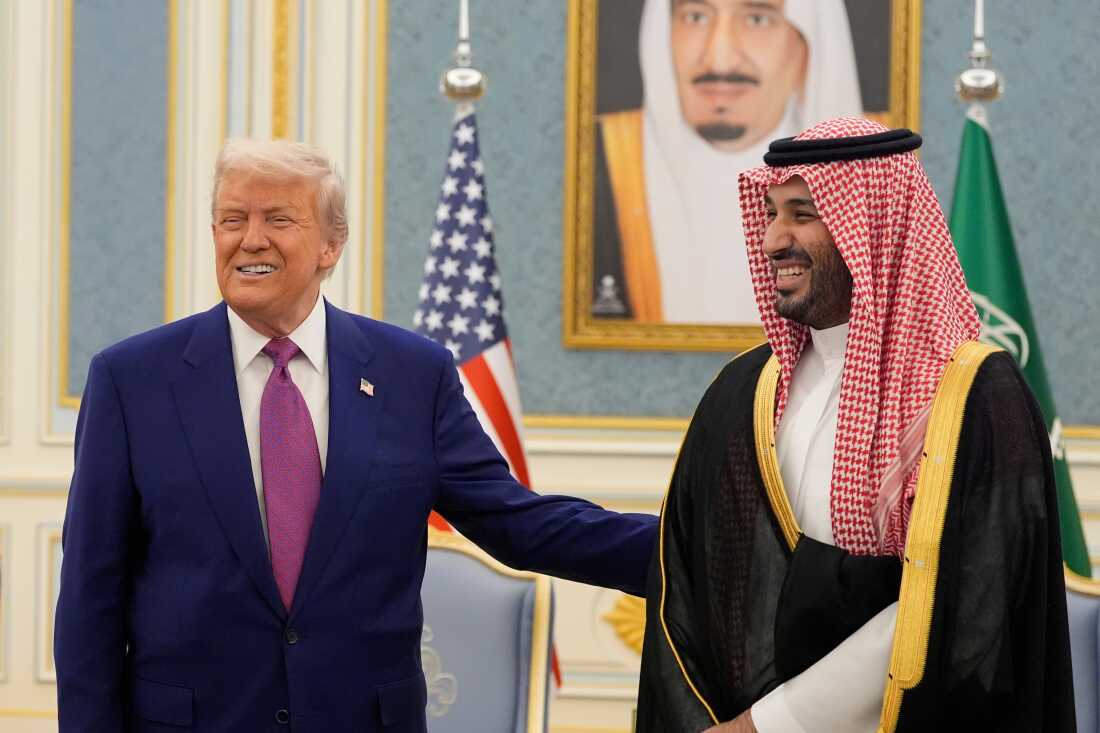
Saudi Crown Prince Mohammed bin Salman is reportedly urging U.S. President Donald Trump to seize what he describes as a “historic opportunity” to weaken Iran’s influence and reshape the balance of power in the region.
Tensions in the Middle East are escalating rapidly as Saudi Arabia mounts pressure on the United States to sustain its military campaign against Iran, raising fears of a wider regional conflict.
Saudi Crown Prince Mohammed bin Salman is reportedly urging U.S. President Donald Trump to seize what he describes as a “historic opportunity” to weaken Iran’s influence and reshape the balance of power in the region.
According to reports, Saudi authorities view Iran as a long-term threat whose influence will persist unless decisive action is taken against its current leadership.
The development comes at a time when Washington appears divided between military escalation and diplomacy.
President Trump has indicated that negotiations with Iran are ongoing, stating that both sides are “close to a deal.”
In a shift from earlier hardline rhetoric, Trump has proposed a temporary pause in energy-related strikes to allow room for talks, suggesting Iran may be willing to agree to terms including de-escalation and limits on its nuclear ambitions.
However, Iranian officials have publicly dismissed some of these claims, describing them as inaccurate.
Regional dynamics are also becoming more complex.
The United Arab Emirates is reportedly tightening restrictions on Iranian-linked assets while weighing the possibility of direct military involvement. At the same time, the Pentagon is said to be considering deploying an additional 3,000 airborne troops to the region, potentially targeting strategic infrastructure such as Kharg Island, a critical hub for Iran’s oil exports.
Despite the military buildup, diplomatic efforts are quietly underway.
Countries including Pakistan, Turkey and Egypt are reportedly working behind the scenes to broker talks between Washington and Tehran. Pakistan has even indicated readiness to host high-level negotiations involving key officials from both sides.
Within Iran, leadership dynamics are also shifting. Mohammad Ghalibaf has emerged as a central figure in ongoing discussions, following recent changes in the country’s security leadership.
Meanwhile, hostilities continue on multiple fronts. Missile exchanges between Iran and Israel have intensified, with recent strikes reaching major urban centres, while other parts of the region—including Kuwait and Saudi Arabia—have reported spillover effects from the conflict.
Comments