



HIV Prevention Injection: Distribution set to begin in eight Nigerian states

 Quick Read
Nigeria has been selected as one of the early adopter countries for a new HIV prevention injection, following considerations such as its large population, HIV burden, and the need to expand access to
Nigeria has been selected as one of the early adopter countries for a new HIV prevention injection, following considerations such as its large population, HIV burden, and the need to expand access to innovative prevention tools.
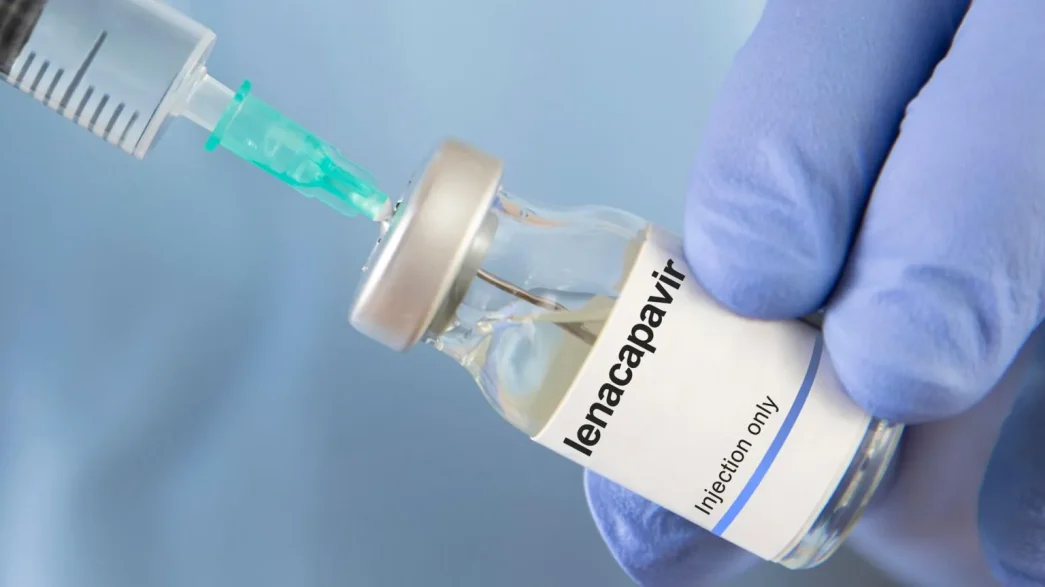
The drug, Lenacapavir, is being introduced with support from global health partners, including the Global Fund and the World Health Organization, which recommended its use globally in 2025.
The rollout will begin in Anambra, Ebonyi, Gombe, Kwara, Akwa Ibom, Cross River, Benue, and the Federal Capital Territory (FCT) under a phased implementation plan designed to assess effectiveness and safety before nationwide expansion.
Health authorities say the selected states will serve as pilot locations to monitor the drug’s performance and public acceptance, while also strengthening Nigeria’s broader HIV prevention strategy.
Officials explained that the introduction of the long-acting injection marks a significant shift in HIV prevention, particularly for individuals at high risk of infection. These include people with HIV-positive partners, sex workers, individuals with multiple sexual partners, men who have sex with men, and people who inject drugs.
Unlike conventional daily oral pre-exposure prophylaxis (PrEP), the new injection is administered once every six months, offering a more convenient option for users who may struggle with consistent medication routines.
Experts say the innovation could help address long-standing challenges such as poor adherence, stigma, and limited access to healthcare, which have hindered HIV prevention efforts.
However, authorities cautioned that the drug is not a cure for HIV but a preventive measure aimed at reducing the risk of infection. It also does not protect against other sexually transmitted infections or unintended pregnancies.
The injection is not recommended for pregnant women due to limited safety data, although studies have shown it to ppppbe largely safe, with mild side effects such as pain at the injection site.
Stakeholders emphasised that the new drug will complement existing prevention methods, including condom use, behavioural interventions, and other PrEP options, rather than replace them.
Despite potential challenges such as low awareness, stigma, and gaps in healthcare infrastructure, officials remain optimistic that the introduction of Lenacapavir will strengthen Nigeria’s HIV response and accelerate efforts to curb new infections.
Comments