


Lebanon death toll explodes to 1,318 as Israeli strikes rage on

 Quick Read
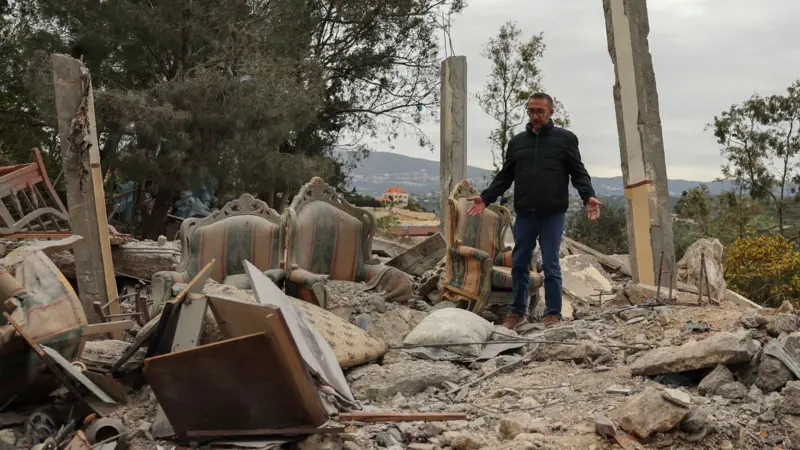
Lebanon's health ministry has reported that 1,318 people have been killed since the escalation of hostilities in early March, with another 3,935 wounded, according to figures released by the state-run National News Agency (NNA).
By Kazeem Ugbodaga
Lebanon’s health ministry has reported that 1,318 people have been killed since the escalation of hostilities in early March, with another 3,935 wounded, according to figures released by the state-run National News Agency (NNA).
The ministry added that 50 people died in the past 24 hours alone, underscoring the unrelenting pace of violence in the country.
The surge in casualties comes amid a broader regional conflict that began on 28 February 2026, when the United States and Israel launched strikes against Iran.
Hezbollah, the Iran-backed Lebanese militant group, joined the fray on 2 March by firing missiles toward Israel in solidarity with its ally.
Israel responded with a combination of airstrikes across Lebanon and ground incursions into the south, targeting what it describes as Hezbollah military infrastructure and positions.
According to the Lebanese authorities, the fighting, now in its roughly one-month mark, has inflicted heavy losses on both civilians and combatants.
Independent estimates and earlier ministry updates placed the toll near or above 1,200 in recent days, with reports of entire families wiped out in strikes on towns in the Bekaa Valley and southern regions.
Humanitarian organizations have highlighted the displacement of nearly one million people, roughly 20% of Lebanon’s population, creating what officials describe as a rapidly worsening crisis.
Israeli officials maintain that operations focus on degrading Hezbollah’s capabilities, including rocket launch sites and command structures near the border.
The Israel Defense Forces have reported their own losses in ground clashes, including soldiers killed in southern Lebanon. Hezbollah, for its part, has continued sporadic rocket and missile fire into northern Israel.
The conflict represents a dangerous spillover from the initial US-Israeli campaign against Iran, which included high-profile strikes and the reported assassination of Iran’s Supreme Leader.
As of early April 2026, international calls for de-escalation have grown, though diplomatic efforts appear stalled. The United Nations and rights groups have raised concerns over the impact on civilians, medical facilities, and infrastructure, while both sides accuse the other of prolonging the fighting.
Comments