



Iran blasts Trump’s ceasefire claim as baseless in sharp public rebuke

 Quick Read
Iran’s foreign ministry on Wednesday forcefully denied President Donald Trump’s assertion that Tehran had requested a ceasefire, calling the claim “false and baseless” in a swift public rebuke that laid bare the deepening hostility between the two adversaries.
Iran’s foreign ministry on Wednesday forcefully denied President Donald Trump’s assertion that Tehran had requested a ceasefire, calling the claim “false and baseless” in a swift public rebuke that laid bare the deepening hostility between the two adversaries.
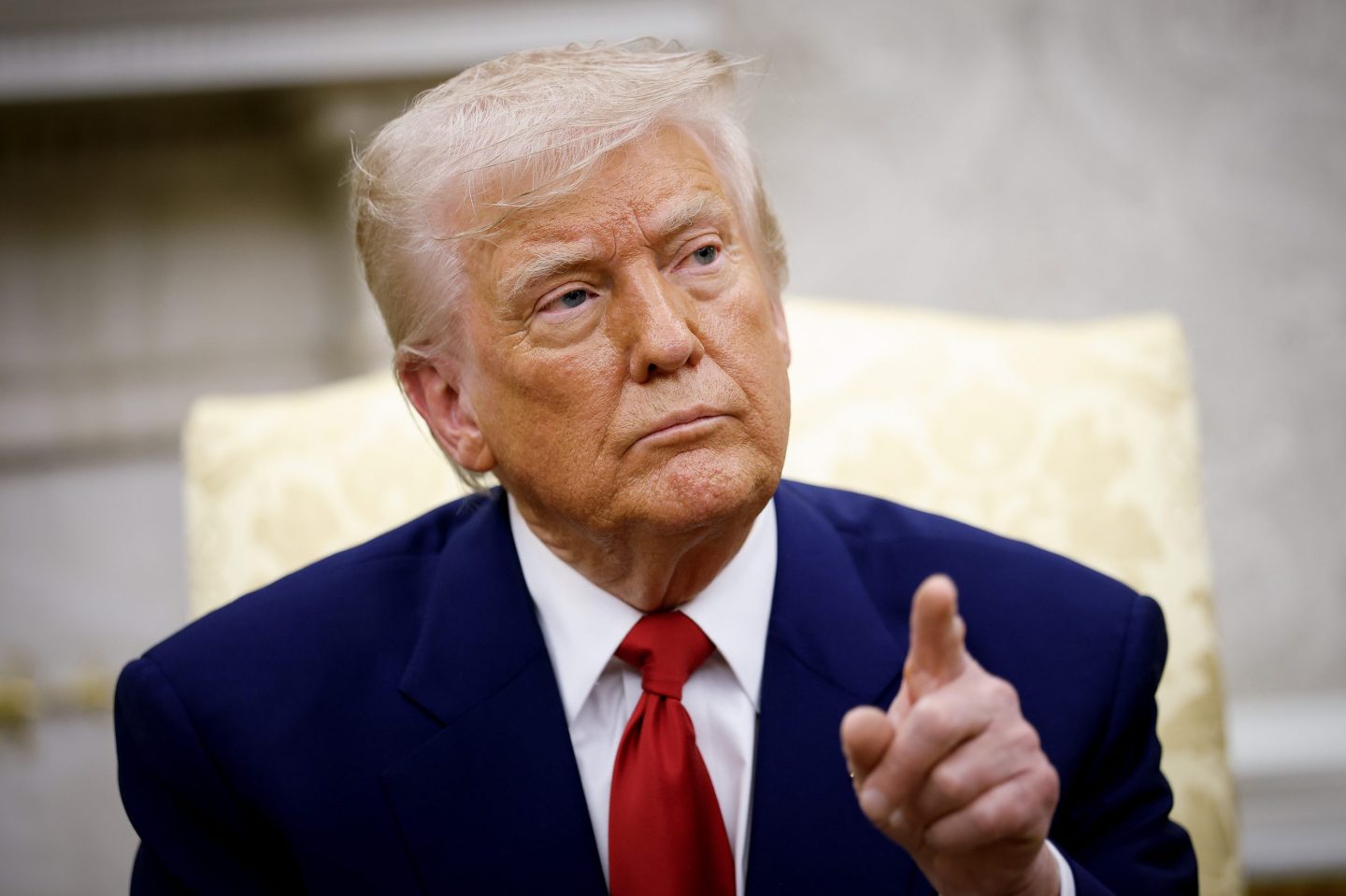
The denial came hours after Trump took to his Truth Social platform to assert that Iran’s leadership had quietly sought a halt to hostilities. “Iran’s New Regime President, who I won’t bother naming, has asked for a ceasefire,” Trump wrote.
“I will consider it when Hormuz Strait is open, free, and clear. Otherwise, no deal!”
While Trump did not specify which Iranian official he was referring to, his post suggested an outreach that Tehran was eager to disown.
Speaking through state television, foreign ministry spokesman Esmaeil Baqaei rejected the suggestion outright, emphasizing that Iran’s position remains unchanged amid ongoing regional confrontations involving Israel, Lebanese Hezbollah, and Iranian-aligned factions across the Middle East.
“The claim that the Islamic Republic of Iran has requested a ceasefire is false and baseless,” Baqaei said, standing before a screen displaying a map and diplomatic insignia.
“Iran’s stance is clear: it is the occupying regime that must cease its aggression, not the nations resisting occupation.”
The war of words marks the latest flashpoint in a long-running confrontation that has escalated dramatically in recent weeks.
Trump’s mention of the Strait of Hormuz, the narrow waterway through which roughly one-fifth of global oil production passes, carried particular weight.
Tehran has repeatedly threatened to close the strait in response to military pressure or sanctions, a move that would send shockwaves through global energy markets.
For his part, Trump has pursued a maximum-pressure campaign against Iran since returning to office, combining sweeping economic sanctions with explicit threats of military action.
Earlier this year, the administration carried out coordinated strikes with Israel against Iranian assets, a direct catalyst for the broader regional conflict that has since drawn in Hezbollah and drawn Israeli ground forces into Lebanon.
Iran’s foreign ministry did not elaborate on whether any indirect contacts had taken place via third countries, nor did it comment on Trump’s conditions involving the strait.
But the ministry reiterated that any cessation of hostilities would require a fundamental shift in U.S. and Israeli policy, not a unilateral concession from Tehran.
Comments