



From 10,000 to 1,000 Litres: Nigerians cut fuel usage amid price surge

 Quick Read
The increase in petrol prices is part of a wider rise in energy costs affecting multiple sectors in Nigeria. For example, jet fuel prices have more than doubled, which could lead to higher airfares and possible flight disruptions.
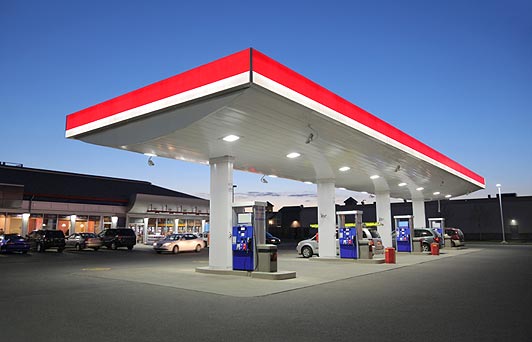
Oil marketers in Nigeria report that petrol sales at many filling stations have dropped drastically.
Stations that used to sell 10,000 litres daily are now selling around 1,000 litres, and some are selling as little as 300 litres per day.
The sharp increase in petrol prices has changed how people buy fuel. Many motorists now purchase only four or five litres at a time and are cutting down on fuel usage.
The price of petrol has risen from about N839 per litre to over N1,350, while diesel has increased from N1,340 to more than N1,750 per litre.
This spike is partly due to rising global oil prices linked to the ongoing conflict in the Middle East involving the United States, Iran, and Israel.
What Marketers Are Saying
Chinedu Ukadike, National Publicity Secretary of IPMAN, said:
“Stations that once sold 10,000 litres are now selling just 1,000–2,000 litres, and some only 300 litres. People are buying less and switching to smaller, more fuel-efficient cars, electric vehicles, tricycles, and other transport options.”
Alhaji Isa Muhammad, an oil marketer, added:
“High prices have increased working capital needs, tightened profit margins, and reduced demand. We are all adjusting to this new reality.”
Marketers also noted that the lack of fully functional government-owned refineries has made it harder to stabilize domestic fuel prices. They believe that if Nigeria’s refineries were working properly, it could help lower costs and reduce dependence on imports.
Adapting to the Crisis
Some operators are diversifying into alternative energy products and improving efficiency to cope with reduced petrol demand. They are optimizing supply chains, cutting waste, and adjusting prices to stay competitive.
Ukadike added that if Nigeria could triple its crude oil production and improve refinery output, the country could even export refined petroleum products rather than import them.
Broader Impact
The increase in petrol prices is part of a wider rise in energy costs affecting multiple sectors in Nigeria. For example, jet fuel prices have more than doubled, which could lead to higher airfares and possible flight disruptions.
The ongoing Middle East conflict has pushed global crude oil prices above $117 per barrel, directly impacting fuel costs in Nigeria and forcing consumers and businesses to adjust to affordability challenges.
Comments