


Lassa Fever deaths spike in Nigeria — NCDC

 Quick Read
A total of 26 new confirmed cases were reported in week 13 across Edo, Bauchi, Ondo, Taraba, Ebonyi, Benue, and Kaduna, down from 51 cases the previous week. However, the overall disease burden remains high, with 663 confirmed cases out of 3,831 suspected cases reported in 22 states and 93 local government areas.
The Nigeria Centre for Disease Control and Prevention (NCDC) has reported a sharp rise in Lassa fever fatalities in 2026, despite a drop in new confirmed cases in the latest reporting week.
According to the Epidemiological Week 13 report, 167 deaths have been recorded so far this year, with a case fatality rate of 25.2 per cent, up from 18.5 per cent in the same period last year.
A total of 26 new confirmed cases were reported in week 13 across Edo, Bauchi, Ondo, Taraba, Ebonyi, Benue, and Kaduna, down from 51 cases the previous week. However, the overall disease burden remains high, with 663 confirmed cases out of 3,831 suspected cases reported in 22 states and 93 local government areas.
The most affected states — Bauchi, Ondo, Taraba, Edo, and Benue — account for 85 per cent of confirmed cases, with young adults aged 21–30 most impacted. Persistent challenges, including late presentation, poor health-seeking behaviour, high treatment costs, poor sanitation, and low community awareness, continue to drive the high fatality rate.
No new infections among healthcare workers were recorded during the reporting week. The NCDC has activated a multi-partner incident management system, intensifying surveillance, contact tracing, public awareness campaigns, and targeted interventions in high-burden states in collaboration with WHO, UNICEF, and MSF.
The agency urged state governments to strengthen year-round community engagement and called on healthcare workers to maintain a high index of suspicion for Lassa fever to ensure early detection and treatment.
Public health experts warn that the rising death toll, despite improved response efforts, underscores the urgent need to close systemic gaps in early diagnosis and access to care.
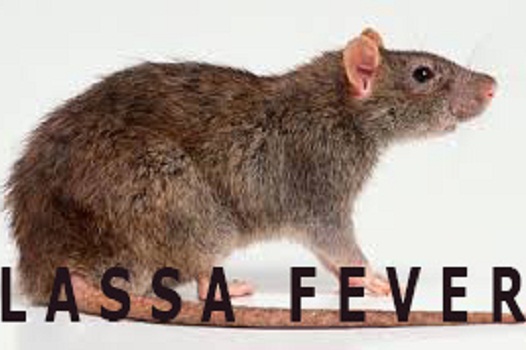
Lassa fever, an acute viral haemorrhagic illness, is primarily transmitted through contact with food or household items contaminated by rodents. Nigeria experiences seasonal outbreaks annually, particularly during the dry season, when human exposure to infected rodents increases.
Comments