



Iran rejects U.S. deal after 21 hours of peace talks

 Quick Read
“We’ve had a number of substantive discussions with the Iranians — that’s the good news,” Vance told reporters at the Serena Hotel. “The bad news is that we have not reached an agreement, and I think that’s bad news for Iran much more than it is for the United States.”
Vice President JD Vance revealed on Saturday that Iran has refused to accept a U.S. deal after an exhausting, 21-hour marathon of historic peace talks in Islamabad, Pakistan.
“We’ve had a number of substantive discussions with the Iranians — that’s the good news,” Vance told reporters at the Serena Hotel. “The bad news is that we have not reached an agreement, and I think that’s bad news for Iran much more than it is for the United States.”
Vance said Iran would not commit to halting its pursuit of nuclear weapons, despite the U.S. delegation making clear its red lines. “We need to see an affirmative commitment that they will not seek a nuclear weapon and will not pursue the tools to quickly achieve one,” he said.
The talks, led by Vance along with special envoy Steve Witkoff and Jared Kushner, followed a fragile truce between the two countries after six weeks of conflict. The Iranian team was headed by Parliament Speaker Mohammad Bagher Qalibaf.
Vance declined to discuss next steps but emphasized that the U.S. proposal represented its “final and best offer.” He also confirmed he had been in constant contact with President Donald Trump throughout the negotiations.
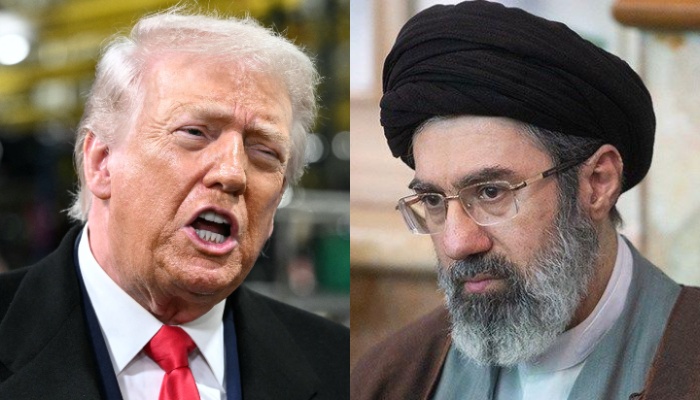
Trump, meanwhile, framed the outcome as a win for the United States, saying the U.S. had already “totally defeated” Iran, and criticized NATO for not providing support. He suggested opening the Strait of Hormuz to further assert U.S. influence.
The impasse signals continued tension in the region and raises uncertainty over Tehran’s nuclear ambitions and regional security.
Comments