


U.S. Navy Begins Full Blockade of Iranian Ports

 Quick Read
The geopolitical landscape of the Middle East shifted violently on Monday night as the United States military officially commenced a "total maritime blockade" of all Iranian ports.
By Kazeem Ugbodaga
The geopolitical landscape of the Middle East shifted violently on Monday night as the United States military officially commenced a “total maritime blockade” of all Iranian ports.
Following the collapse of high-stakes ceasefire negotiations in Islamabad, U.S. Central Command (CENTCOM) confirmed that as of 10:00 ET on Monday, all vessels, regardless of nationality, are prohibited from entering or exiting Iranian territorial waters.
The move, dubbed a “physical enforcement of maximum pressure,” marks the most aggressive naval posture in the region since the 2003 invasion of Iraq and effectively transitions a years-long “shadow war” into a direct confrontation over global energy lanes.
The blockade follows a disastrous weekend in Pakistan, where Vice President JD Vance reportedly walked out of negotiations with an Iranian delegation.
The talks were intended to extend a fragile 14-day ceasefire following the February 28 strikes that decimated the Iranian leadership.
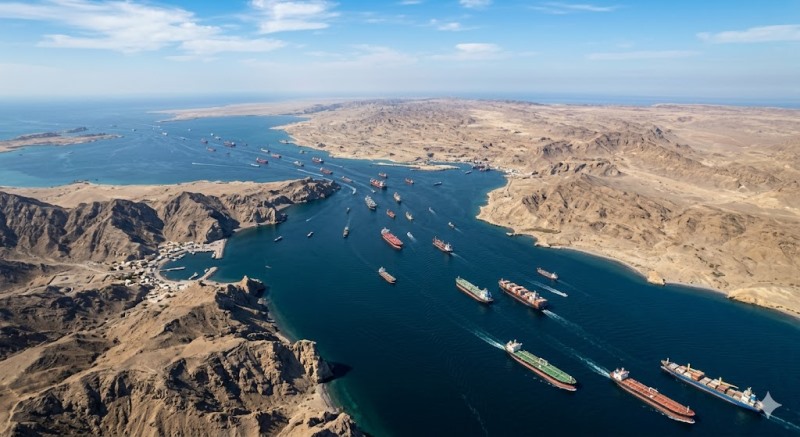
The sticking point remains the Strait of Hormuz. While Iran has attempted to maintain a “toll system” in Chinese Yuan for passage, President Donald Trump declared the arrangement “illegal piracy,” leading to his Sunday social media decree:
“The United States Navy, the Finest in the World, will begin the process of BLOCKADING any and all Ships trying to enter, or leave, the Strait of Hormuz… Any Iranian who fires at us will be BLOWN TO HELL!”
CENTCOM has since clarified the scope of Operation Epic Fury, drawing a sharp legal distinction to avoid a total break with international maritime law: US forces will intercept any ship bound for or departing from Iranian ports in the Persian Gulf and Gulf of Oman.
Vessels transiting the Strait of Hormuz to or from non-Iranian ports (such as those in Kuwait, the UAE, or Qatar) will ostensibly not be impeded.
Acting Attorney General Todd Blanche warned that the Department of Justice will “vigorously prosecute” any commercial entity attempting to bypass the blockade.
The reaction from Tehran has been one of defiance. With the nation still reeling from the assassination of Supreme Leader Ali Khamenei in February, the new leadership under Mojtaba Khamenei has signaled a scorched-earth policy.
“Security in the Persian Gulf is either for everyone or for NO ONE,” an Iranian Armed Forces spokesperson stated via state broadcaster IRIB. “No port in the region will be safe.”
Military analysts warn that Iran may resort to “asymmetric saturation,” using its remaining fleet of fast-attack craft and drone swarms to harass non-Iranian tankers, effectively making the “safe passage” promised by the U.S. a practical impossibility.
The blockade has sent shockwaves through global markets, with Brent Crude spiking as traders price in the total loss of Iranian exports and the heightened risk of “collateral” hits on neighboring oil terminals.
To mitigate domestic fallout, the Trump administration has authorized the release of 173 million barrels from the Strategic Petroleum Reserve and issued a 60-day waiver of the Jones Act, allowing foreign-flagged vessels to move fuel between U.S. ports to stabilize internal supply chains.
Comments