


Historic Handshake in Washington as Israel, Lebanon Break 40-Year Silence

 Quick Read
In a profound shift for Middle Eastern diplomacy, senior officials from Israel and Lebanon convened at the U.S. State Department on Tuesday.
By Kazeem Ugbodaga
In a profound shift for Middle Eastern diplomacy, senior officials from Israel and Lebanon convened at the U.S. State Department on Tuesday.
This landmark event represents the first direct, public meeting between high-ranking representatives of the two neighbouring states in more than four decades.
Under the mediation of the U.S. State Department, Israeli Ambassador Yechiel Leiter and Lebanese Ambassador Nada Hamadeh Moawad entered talks aimed at resolving a conflict that has recently escalated into a devastating regional war.
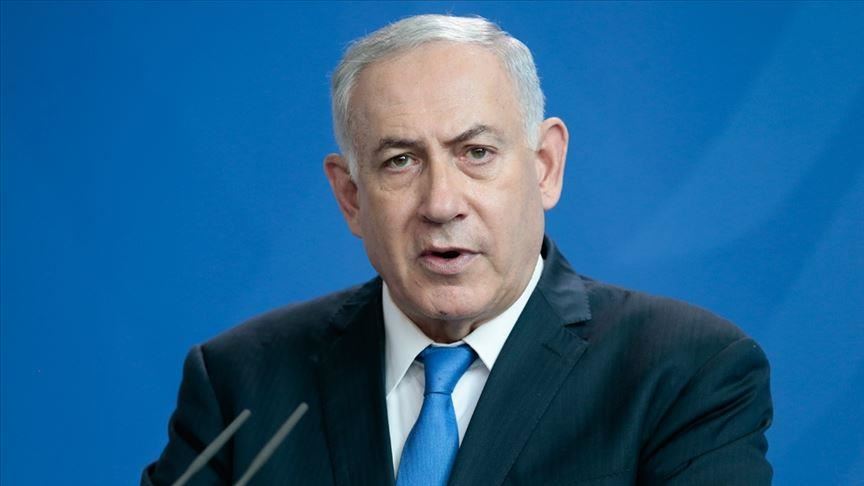
The meeting proceeds under a rigorous framework established by Israeli Prime Minister Benjamin Netanyahu, who has authorized the dialogue despite significant domestic political pressure.
The Israeli delegation is operating under two primary mandates: the total disarmament of the Hezbollah militant group and the pursuit of a comprehensive, historic peace treaty with Beirut.
This represents a significant escalation from previous indirect negotiations, as Israel now seeks a fundamental “upgrade” in bilateral relations rather than a mere tactical ceasefire.
However, the path to a lasting agreement remains obstructed by a massive gap in expectations between the two capitals.
Lebanese officials arrived in Washington with an unwavering demand for an immediate ceasefire as a non-negotiable precondition for substantive talks.
Conversely, Israel has signaled that its military operations against Hezbollah infrastructure will continue throughout the diplomatic process, adhering to a doctrine of “negotiating under fire.”
Despite this hardline stance, Israeli sources indicate that the military has recently scaled back the geographic scope of its air campaign, refraining from strikes in Beirut and the Bekaa Valley following intense diplomatic pressure from the United States.
The current diplomatic push follows the collapse of a U.S.-brokered truce in late 2024, which failed to secure the withdrawal of armed groups from the border region.
Netanyahu told his cabinet this week that he is engaging in these direct talks primarily as a response to American strategic requirements, even as right-wing members of his government call for the permanent annexation of a security buffer zone in southern Lebanon.
Comments