


Naira crashes suddenly ending impressive two-week winning streak

 Quick Read
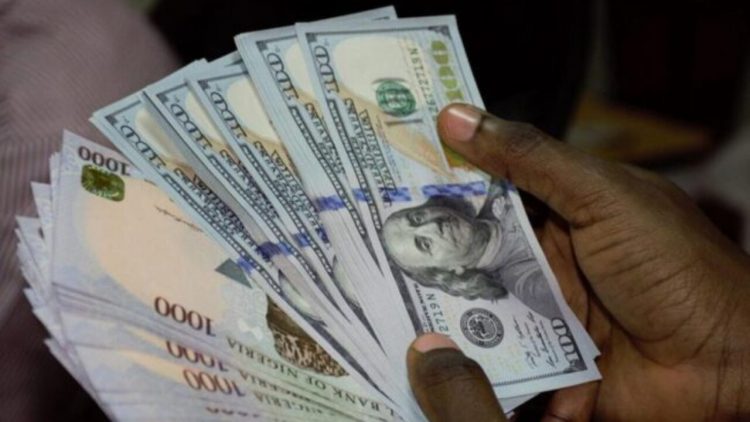
The Nigerian naira closed the trading week on a slightly weaker note at the official foreign exchange market, shedding a modest N1.33 against the US dollar to settle at ₦1,343.63 per dollar, according to data from the Central Bank of Nigeria (CBN).
The Nigerian naira closed the trading week on a slightly weaker note at the official foreign exchange market, shedding a modest N1.33 against the US dollar to settle at ₦1,343.63 per dollar, according to data from the Central Bank of Nigeria (CBN).
This represents a marginal depreciation of approximately 0.09% from Thursday’s close of ₦1,342.30. While the loss appears minor, it marks a reversal after the naira had posted gains over the preceding two weeks, underscoring the currency’s ongoing sensitivity to daily liquidity flows and market sentiment.
Weekly movements revealed some volatility within a relatively tight band. The naira opened the week on Monday at around ₦1,356.18 before strengthening notably to ₦1,343.76 on Tuesday and ₦1,343.74 on Wednesday.
It then edged slightly firmer on Thursday before Friday’s modest pullback. Overall, the currency demonstrated resilience in the first half of the week, trading near levels not seen consistently since earlier in the year.
In the parallel market, the naira traded at a premium, with reports indicating rates hovering around ₦1,385–₦1,410 per dollar in Lagos, highlighting the persistent (though narrowed) gap between official and street rates. This differential often signals varying levels of dollar demand from importers, businesses, and retail participants.
Economists view the week’s performance as consistent with the naira’s recent consolidation phase following sharper swings in prior months.
Sustained FX inflows, CBN interventions, and structural reforms introduced since 2023 have contributed to greater stability compared to the volatile periods of 2024. However, challenges remain, including elevated inflation, fiscal deficits, and external vulnerabilities that could influence future trajectories.
Comments