


CBN admits inflation jumped but says worse was avoided

 Quick Read
The Central Bank of Nigeria (CBN) has pushed back against concerns over a sudden rise in inflation, arguing that its cautious, data-driven reforms have shielded the country from far worse economic fallout amid escalating global tensions.
The Central Bank of Nigeria (CBN) has pushed back against concerns over a sudden rise in inflation, arguing that its cautious, data-driven reforms have shielded the country from far worse economic fallout amid escalating global tensions.
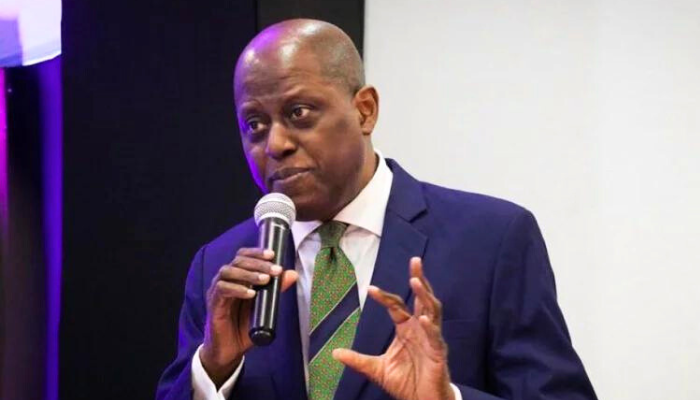
Speaking at the conclusion of the World Bank/IMF Spring Meetings in Washington, CBN Governor Olayemi Cardoso acknowledged that Nigeria’s headline inflation climbed to 15.38% in March 2026, the first increase since March 2025, but attributed the reversal squarely to external shocks stemming from the US-Iran conflict, which has disrupted energy, transport, and food markets worldwide.
“The uptick should not be too surprising given the global disruptions,” Cardoso said.
He emphasised that prior to this, Nigeria had enjoyed a consistent deceleration in inflation, allowing the Monetary Policy Committee (MPC) to begin cautiously easing rates.
“We were careful to avoid easing too early, as doing so could expose the economy to exactly the kind of shocks we are now witnessing.”
Cardoso revealed that the MPC had resisted public and market pressure for more aggressive rate cuts after months of declining inflation.
“There was an expectation that we would adopt a more aggressive approach,” he noted, adding that “But this situation demonstrates why the MPC has access to data and insights not always visible to the public. We wanted uncertainties to clear before taking more decisive action.”
The CBN’s stance was reinforced by Finance Minister Wale Edun, who argued that Nigeria’s ongoing reforms, particularly a market-reflective foreign exchange regime and market-based petroleum pricing, have made the economy structurally more resilient.
“Adjustments are occurring relatively smoothly—without distorted controls, unsustainable subsidies, or rapid depletion of reserves,” Edun said during a separate briefing.
Both officials insisted that without the reforms implemented over the past year, the impact of the current Middle East crisis would have been “far more difficult and painful” for ordinary Nigerians.
Cardoso reiterated the bank’s long-term target of bringing inflation down to single digits, adding, “Stability has begun to take hold. The negative consequences associated with instability can now be put behind us.”
Comments