


U.S.-Iran: High-stakes peace talks loom as Ceasefire nears expiration

 Quick Read
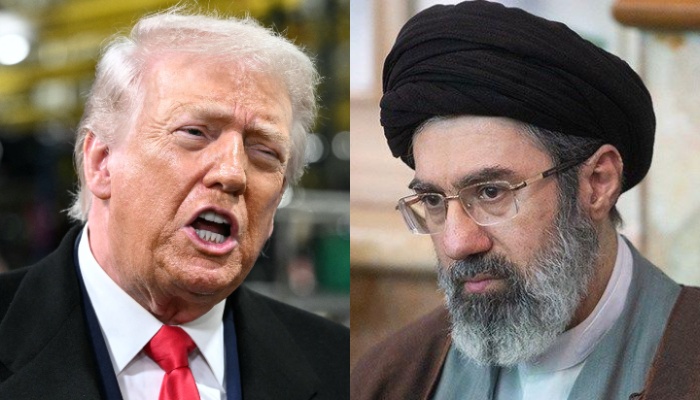
Tensions between the United States and Iran have reached a critical juncture as a fragile two-week ceasefire approaches its final hours.
Tensions between the United States and Iran have reached a critical juncture as a fragile two-week ceasefire approaches its final hours.
Despite a backdrop of naval skirmishes and defiant rhetoric, momentum appears to be building for a high-stakes diplomatic summit in Pakistan.
U.S. officials expressed guarded optimism on Tuesday that negotiations could resume as early as Wednesday, even as the clock ticks toward a deadline that could reignite a conflict that has already claimed thousands of lives and destabilized global energy markets.
The diplomatic theater has shifted to Islamabad, where nearly 20,000 security personnel have been deployed to secure the capital.
While Tehran previously signaled it might skip a second round of talks, sources suggest the Iranian leadership is now “positively reviewing” its participation.
The logistical preparations hint at the gravity of the potential summit.
Vice President JD Vance is slated to travel to Pakistan, and reports suggest President Donald Trump may participate, either in person or virtually, should a definitive deal materialise.
On the other side, regional mediators indicate that Tehran may dispatch a delegation led by top negotiators, though a final confirmation from the Iranian Foreign Ministry remains pending.
Global markets, which have been whipped by the volatility of the conflict, showed signs of relief as news of the potential talks broke.
Brent crude futures retreated over 1% to approximately $94.44 a barrel, reversing a sharp spike from earlier in the week.
This shift in the markets reflects investor hope that a deal might finally avert further disruptions to the Strait of Hormuz, a vital artery for roughly 20% of the world’s oil and liquefied natural gas.
However, the path to the negotiating table is obstructed by the recent seizure of the Iranian cargo ship Touska by U.S. forces.
Tehran has branded the boarding, which involved a guided-missile destroyer disabling the ship’s engine room and Marines rappelling onto the deck, a “ceasefire violation” and an act of maritime piracy.
The U.S. Central Command maintains the vessel breached a naval blockade and was suspected of carrying dual-use military equipment. Iranian negotiator Mohammad Baqer Qalibaf accused the Trump administration of using the blockade to “turn the negotiating table into a table of submission.”
This sentiment was echoed by military commanders in Tehran, who warned of an “immediate and decisive response” to any renewed American aggression.
The current ceasefire is expected to expire at 8:00 p.m. Eastern Time on Wednesday, which is 3:30 a.m. Thursday in Tehran.
The stakes for the meeting could not be higher. President Trump seeks a deal to stabilise energy markets and permanently dismantle Iran’s nuclear capabilities, warning that a rejection of terms could lead to the destruction of Iran’s power plants and bridges.
Conversely, Tehran aims to leverage its influence over global energy corridors to secure significant sanctions relief and an end to the naval blockade without abandoning its strategic defense programs.
While White House Press Secretary Karoline Leavitt suggested the United States is “on the brink of a deal” thanks to a hardline negotiating style, the reality on the ground remains a volatile mix of military readiness and desperate diplomacy.
Comments