


Why Nigerian Publishers must rethink Revenue Models

 Quick Read
For many Nigerian publishers, the model that once sustained journalism is no longer working. Advertising, long the backbone of print, radio, and television, has been declining. At the same time, the wider entertainment and digital media market is growing and is projected to reach $4.9 billion by 2026.
For many Nigerian publishers, the model that once sustained journalism is no longer working. Advertising, long the backbone of print, radio, and television, has been declining. At the same time, the wider entertainment and digital media market is growing and is projected to reach $4.9 billion by 2026.
This creates a clear gap. The old revenue streams are shrinking, but new ones are emerging—driven largely by digital platforms and changing audience behaviour.
Today, revenue is no longer just about traditional ads. It includes earnings from platforms like Google through ad networks, creator payouts on X (formerly Twitter), and content monetisation on YouTube and Spotify. These channels reward reach, engagement, and consistency, but they also require a different way of thinking about content.
For publishers, this means shifting from a single-format approach to a multi-platform strategy—taking one piece of content and adapting it across video, audio, and text formats to reach audiences wherever they are.
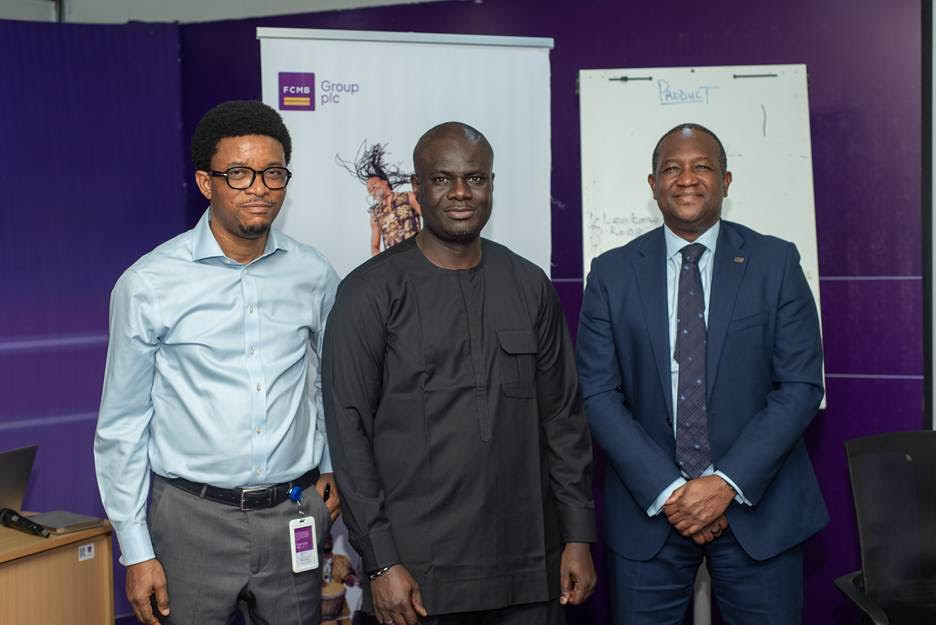
This shift was the focus of The Monetised Content Masterclass, hosted by FCMB in partnership with BHM. The session brought together publishers across the ecosystem, including reporters, editors, bloggers, and content creators, to examine how to move beyond traditional revenue models.
One message came through clearly: financial sustainability now sits at the heart of editorial independence.
Discussions focused on how publishers can create real value, not just traffic or impressions, but content that travels well across platforms and can be monetised in different ways. This includes building direct audience relationships, forming the right brand partnerships, and using data to guide both content and commercial decisions.
Participants explored practical options such as paid memberships and subscriptions, branded content collaborations, and platform-based earnings. The emphasis was on execution, how to take what already exists and make it work harder across multiple channels.
Speaking at the session, Divisional Head, Corporate Affairs, FCMB Group, Diran Olojo, pointed to the need for a shift in mindset: “We are at a point where publishers must move from content production to platform thinking, building systems that can sustain value over time.”
For BHM’s CEO, Ayeni Adekunle, the issue is urgency: “The model has changed. The question now is whether the industry will adapt quickly enough to secure its future.”
Moderated by Fatu Ogwuche, the masterclass featured Fisayo Soyombo, Chris Ihidero, Jennifer Mairo, and Peter Oluka. Speakers shared practical insights, from repurposing content across formats to building audience loyalty and unlocking new revenue streams.
The takeaway was simple. Publishers can no longer rely on a single source of income. Growth will come from combining platform earnings, partnerships, and direct audience support, while making content work across multiple formats and channels.
For FCMB, the initiative reflects a clear commitment to supporting the growth and long-term sustainability of the media sector, given its role in informing the public, shaping opinion, and supporting national development.
Comments