



‘Lagos Indigenes are minority’- Oshodi Rep Onuakalusi defends scholarship program against ethnic bias

 Quick Read
“I don’t look at tribe and tongue. What I believe is, give me results, and I work with you. So there’s no ethnic bias,” he said.
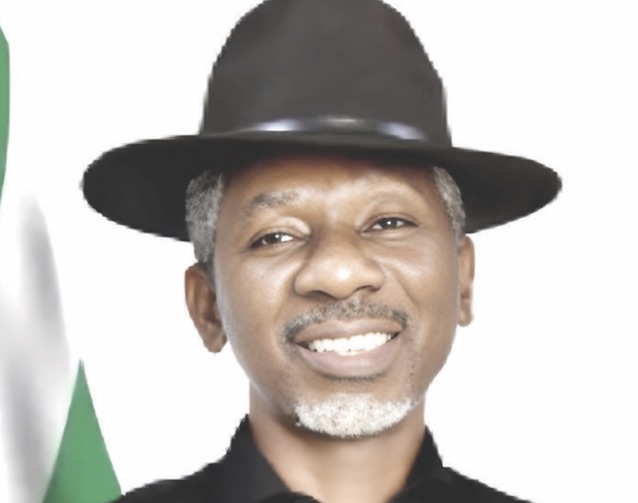
Hon. Jese Okey‑Joe Onuakalusi, the House of Representatives member for Oshodi‑Isolo II Federal Constituency, Lagos State, has responded to allegations of ethnic bias in his constituency’s scholarship program, defending his decision to select a significant number of non-indigenes for the China-based education opportunity.
Addressing the criticism that 85% of scholarship recipients were not indigenes of Oshodi, Onuakalusi argued that the ethnic makeup of the region dictates the outcome, claiming that non-indigenes form the majority in his constituency. “If you look at the configuration of the ethnic population there, who are the most predominantly represented? There are mostly non-indigenes. I work with facts. If you look at the records, non-indigenes are mostly populated in that region,” Onuakalusi said.
He emphasized that the selection process was based on merit and not ethnic backgrounds. “I don’t look at tribe and tongue. What I believe is, give me results, and I work with you. So there’s no ethnic bias,” he said. Onuakalusi explained that the selection process involved a fair and transparent ballot system, with 365,000 registered voters in the constituency, adding, “We called them together in the constituency office and did a ballot. That’s how we selected them.”
When confronted with the claim that the scholarship was skewed in favor of non-indigenes, Onuakalusi firmly denied the allegation, asserting, “That is not correct. I am convinced there’s no bias. I work with conviction.”
Onuakalusi also addressed the creation of a separate process for indigenes with valid passports to apply for future scholarships, stating, “It is not an admission that I neglected them before. The selection process has always been transparent, and I have done what I believe is right.”
The controversy began when Onuakalusi published the names of the beneficiaries for the scholarship, which sent participants abroad for training in China and South Africa. The initial list drew accusations of favouritism, as a large number of recipients were identified as Igbo, while only a small proportion were Yoruba, the dominant indigenous group in Oshodi‑Isolo.
Critics on social media quickly accused Onuakalusi of advancing an empowerment program that favoured non-indigenes, suggesting that it unfairly benefited people outside the region.
In response to the backlash, Onuakalusi later released a revised list of beneficiaries that included more Yoruba names, describing it as part of his ongoing efforts to provide international exposure and skills training for all residents of his constituency..
Comments