BREAKING: US, Nigerian forces kill ISIS second-in-command Abu-Bilal al-Minuki

Follow Us: Facebook Twitter Instagram YouTube
LATEST SCORES:
Loading live scores...
Business

BREAKING: CBN retains Interest Rate at 26.5% amid Inflation battle

CBN
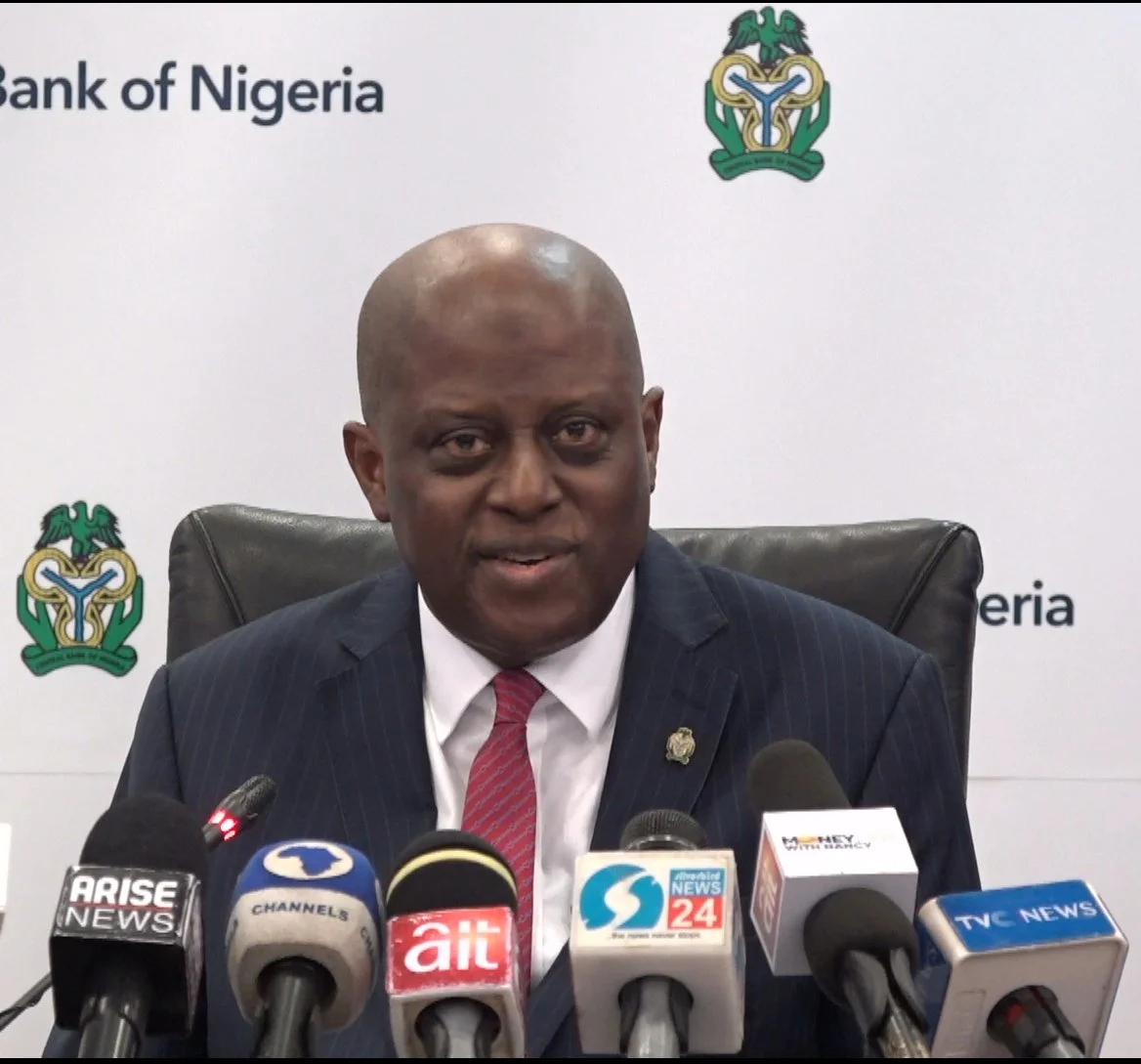
CBN Governor Yemi Cardoso

Quick Read

The Central Bank of Nigeria, CBN, has retained the country’s benchmark interest rate at 26.5 per cent, as monetary authorities moved to sustain efforts aimed at stabilising inflation, exchange rate pressures and overall macroeconomic conditions.

By Kazeem Ugbodaga

The Central Bank of Nigeria, CBN, has retained the country’s benchmark interest rate at 26.5 per cent, as monetary authorities moved to sustain efforts aimed at stabilising inflation, exchange rate pressures and overall macroeconomic conditions.

Governor of the Central Bank of Nigeria, Olayemi Cardoso, announced the decision on Wednesday at the end of the 305th Monetary Policy Committee, MPC, meeting held in Abuja.

Cardoso said members of the committee unanimously agreed to retain all major monetary policy parameters, reflecting the apex bank’s cautious approach amid persistent inflationary pressures and global economic uncertainties.

According to the MPC communiqué, the Monetary Policy Rate, MPR, which serves as the benchmark interest rate, was retained at 26.5 per cent.

The committee also retained the Cash Reserve Ratio, CRR, at 45 per cent for commercial banks and 16 per cent for merchant banks, while non-Treasury Single Account public sector deposits remain at 75 per cent.

Similarly, the MPC retained the asymmetric corridor around the MPR at +50 and -450 basis points.

The decision signals the apex bank’s determination to consolidate recent monetary tightening measures introduced to tame inflation and stabilise Nigeria’s financial markets.

Since assuming office, Cardoso has maintained an aggressive monetary tightening stance, repeatedly raising interest rates to curb rising inflation and restore investor confidence in the economy.

The retention of the benchmark rate is expected to influence lending rates, borrowing costs, investment decisions and overall liquidity conditions within the banking sector.

Economic experts say the MPC’s latest decision reflects growing concerns over balancing inflation control with the need to support economic productivity and private sector growth.

Comments