



Editorial: Obasanjo’s timely health message Nigeria must not ignore

 Quick Read
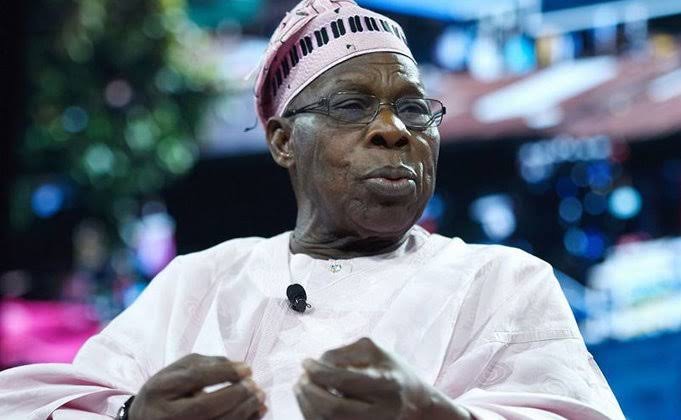
Former President Olusegun Obasanjo's revelation that he has lived with diabetes for more than 40 years while maintaining an active lifestyle is more than a personal testimony. It is a powerful lesson for millions of Nigerians on the importance of preventive healthcare, early detection and healthy living.
Former President Olusegun Obasanjo’s revelation that he has lived with diabetes for more than 40 years while maintaining an active lifestyle is more than a personal testimony. It is a powerful lesson for millions of Nigerians on the importance of preventive healthcare, early detection and healthy living.
At a time when non-communicable diseases such as diabetes, hypertension, cancer and kidney-related ailments are claiming thousands of lives annually, Obasanjo’s remarks could not have come at a better moment. His message is simple but profound: many illnesses that devastate families and communities can be managed, controlled or even prevented if detected early and treated appropriately.
One of the greatest challenges confronting Nigeria’s healthcare system today is not only inadequate infrastructure or limited access to quality care. It is also the culture of neglect that often characterises the attitude of many citizens toward their health. A significant number of Nigerians visit hospitals only when diseases have reached advanced stages, making treatment more difficult, more expensive and, in some cases, impossible.
Cancer remains one of the most alarming examples. Thousands of Nigerians die annually from various forms of cancer, including breast, cervical, prostate and liver cancer. Many of these deaths occur because patients seek medical attention too late. The disease is frequently discovered only after it has spread beyond the stage where treatment can be most effective.
This reality underscores the significance of initiatives such as the Lagos to the World campaign, which seeks to raise awareness about cancer prevention and early detection. The effort by Nigerian adventurer Erik Nwagwu to undertake a global expedition in memory of family members lost to cancer deserves commendation. By transforming personal grief into public advocacy, he is helping to draw attention to a health challenge that continues to receive insufficient attention.
Particularly noteworthy is the campaign’s focus on prostate cancer, one of the leading causes of cancer-related deaths among men in Nigeria and across Sub-Saharan Africa. Many men avoid routine screening because of ignorance, fear or cultural misconceptions. Yet medical experts have consistently stressed that early detection through regular testing significantly improves treatment outcomes.
The same principle applies to diabetes, hypertension and numerous other chronic illnesses. Obasanjo’s experience demonstrates that a diagnosis is not necessarily a death sentence. With discipline, proper medical care, regular exercise and a healthy diet, individuals can continue to lead productive lives for decades.
However, the responsibility does not rest solely with individuals. Government at all levels must intensify investments in preventive healthcare. Public awareness campaigns should become more frequent and more visible. Primary healthcare centres must be strengthened to provide accessible screening services, especially in rural communities where healthcare facilities remain limited.
Employers also have a role to play. Regular health screenings should become a standard feature of workplace wellness programmes. Educational institutions should incorporate health education into their curricula to cultivate healthy habits from an early age.
Religious organisations, community groups and traditional institutions can equally contribute by helping to dispel myths surrounding diseases and encouraging people to seek professional medical attention when necessary.
The media, too, must continue to shine a spotlight on health issues. Stories of survival, prevention and successful treatment can inspire people to take proactive steps toward protecting their health.
Nigeria cannot continue to lose productive citizens to diseases that can be prevented, detected early or effectively managed. The economic and social costs are simply too high. Families are pushed into poverty by medical expenses. Businesses lose skilled workers. Communities lose leaders and breadwinners.
Obasanjo’s testimony offers a reminder that good health is not a matter of luck alone. It is often the result of conscious choices, regular medical attention and personal discipline.
As Nigerians reflect on his message, the lesson is clear: prevention remains better than cure. A routine medical check-up may seem insignificant today, but it could be the difference between life and death tomorrow.
The challenge before the nation is to move from awareness to action. If more Nigerians embrace regular health screening and healthier lifestyles, countless lives can be saved and the burden of disease significantly reduced. That is a goal worth pursuing.
Comments