



Fresh exodus hits PDP, six Oyo Reps dump party for APM

 Quick Read
Oyo State Governor Seyi Makinde on Tuesday demonstrated his growing political influence ahead of the 2027 general election as six members of the House of Representatives from Oyo State abandoned the Peoples Democratic Party (PDP) and aligned with his new political platform, the Allied Peoples Movement (APM).
Oyo State Governor Seyi Makinde on Tuesday demonstrated his growing political influence ahead of the 2027 general election as six members of the House of Representatives from Oyo State abandoned the Peoples Democratic Party (PDP) and aligned with his new political platform, the Allied Peoples Movement (APM).
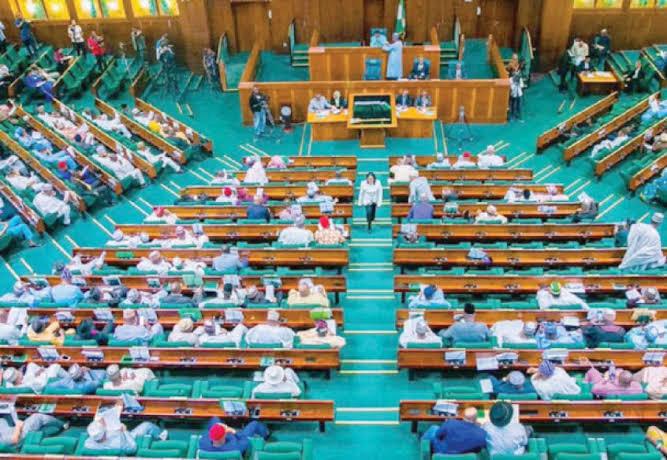
The coordinated defections, announced on the floor of the House of Representatives during plenary, mark the most significant show of strength yet for Makinde since his dramatic exit from the PDP and declaration of his presidential ambition on the APM platform.
With the latest development, the governor has successfully taken nearly half of Oyo State’s 14-member House of Representatives caucus with him, signalling that his political structure remains largely intact despite leaving the party that brought him to power.
Speaker of the House of Representatives, Tajudeen Abbas, read out 13 separate letters of defection from lawmakers across various political parties as the National Assembly resumed from the Sallah break.
However, the mass movement of lawmakers loyal to Makinde quickly emerged as the biggest political story of the day.
The lawmakers who followed the governor into the APM are Anthony Adebayo, Adedeji Olajide, Sunday Makanjuola, Oyedeji Oyeshina, Fola Oyekunle and Adigun Adekunle.
In their separate letters, the lawmakers attributed their departure from the PDP to the party’s lingering internal crisis, leadership disputes and unresolved factional battles, which they said had made it difficult for them to pursue their political aspirations ahead of the 2027 elections.
Their exit represents a fresh blow to the PDP, which has struggled to contain a wave of defections and internal divisions in recent months.
Political observers believe the movement of six federal lawmakers in one sweep underscores Makinde’s continued dominance of Oyo politics and could trigger further realignments within the South-West political landscape.
The defections also reinforce perceptions that the governor’s presidential ambition is gathering momentum despite the challenges associated with building a national political structure outside Nigeria’s traditional major parties.
Tuesday’s developments further highlighted the shifting political alliances ahead of the next general election, with several lawmakers across party lines changing political camps.
In Bauchi State, Auwalu Gwalabe also left the PDP for the APM, boosting the party’s representation in the House.
The PDP, however, recorded some gains of its own.
Shehu Dalhatu, representing Faskari/Kankara/Sabuwa Federal Constituency of Katsina State, defected from the ruling All Progressives Congress (APC) to the PDP, saying he had consulted extensively with his constituents before taking the decision.
Delta lawmaker Etanabene Benedict also abandoned the Labour Party for the PDP, citing persistent internal crises within the opposition party.
Similarly, Alex Egbona crossed from the APC to the PDP, while pledging to remain committed to the interests of his constituents.
Elsewhere, Edo State lawmaker Esosa Iyawe dumped the APC for the Nigeria Democratic Congress (NDC), blaming irreconcilable differences with the party’s state chapter.
Nasarawa legislator Gbefwi Gaza also announced his defection from the Social Democratic Party (SDP) to the Labour Party.
The wave of defections offers an early glimpse into the fierce political battles expected ahead of 2027, with politicians increasingly repositioning themselves as alliances shift and presidential calculations intensify.
Comments