


US, Iran reach landmark deal ahead of Friday signing ceremony

 Quick Read
Under the agreement, the United States is expected to end its blockade of Iranian ports, while the strategic Strait of Hormuz, through which nearly one-fifth of global oil supplies pass, will be reopened to international shipping.
By Kazeem Ugbodaga
The United States, US, and Iran have reached a framework agreement aimed at ending more than 15 weeks of conflict, with both sides confirming that a formal signing ceremony will take place in Switzerland on Friday.
The breakthrough, brokered by Pakistan with support from regional mediators, was announced ahead of the official signing, making it one of the most significant diplomatic developments since hostilities erupted between the two countries and their allies earlier this year.
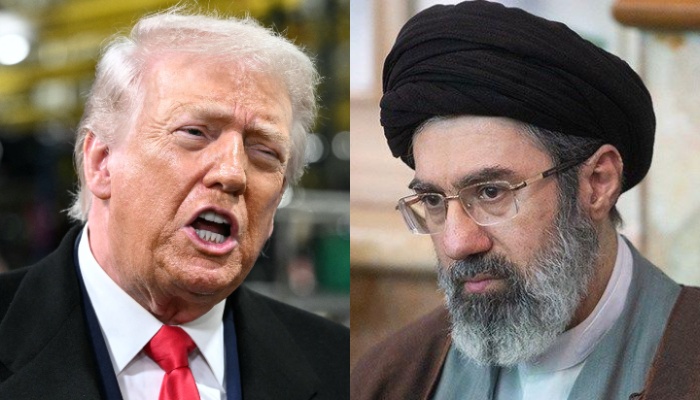
US President Donald Trump and Iranian officials separately confirmed that the framework agreement had been finalised, although the full text of the deal has not yet been made public.
Both governments said details of the accord would only be released after the formal signing ceremony.
Under the agreement, the US is expected to end its blockade of Iranian ports, while the strategic Strait of Hormuz, through which nearly one-fifth of global oil supplies pass, will be reopened to international shipping.
The agreement will also pave the way for a new round of nuclear negotiations between Washington and Tehran.
Pakistan’s Prime Minister, Shehbaz Sharif, announced that the agreement had been successfully negotiated and would be formally endorsed on June 19 in Geneva.
Iranian Deputy Foreign Minister Kazem Gharibabadi also confirmed that the memorandum of understanding had been finalised and was awaiting signatures from both parties.
The announcement immediately eased tensions in global energy markets, with oil prices falling to their lowest levels in more than three months as investors welcomed prospects of restored crude exports and shipping activity through the Strait of Hormuz.
Despite the optimism, uncertainty remains over several critical issues because the contents of the agreement have not been publicly disclosed.
Questions persist regarding Iran’s nuclear programme, the future of its uranium stockpiles, the status of frozen Iranian assets and the precise terms governing the reopening of the Strait of Hormuz.
While Washington has indicated that the waterway will be reopened without restrictions, Iranian media reports suggest Tehran may introduce transit fees after an initial 60-day negotiation period.
The agreement has also generated mixed reactions in the Middle East.
While Iran has indicated that the deal includes a cessation of military operations across all fronts, including Lebanon, Israeli officials have rejected suggestions that their forces will withdraw from southern Lebanon.
Israeli Defence Minister Israel Katz insisted that Israel would maintain its military presence in what it described as strategic security zones.
Global leaders, including officials from the European Union, China, Turkey, France and the United Kingdom, have welcomed the diplomatic breakthrough, describing it as an important step towards restoring regional stability and safeguarding global trade routes.
Comments