


Economic hardship forces HIV, TB patients to abandon treatment in Ogun

 Quick Read
According to her, some families are increasingly forced to choose between feeding their households and attending hospital appointments, while daily wage earners often avoid visiting health facilities to prevent losing a day's income.
By Adejoke Adeleye
Civil society organisations working in the health sector have raised concerns over the growing impact of economic hardship on the treatment of HIV/AIDS, Tuberculosis (TB) and Malaria in Ogun State, warning that rising transportation costs and worsening poverty are preventing many patients from accessing life-saving healthcare services.
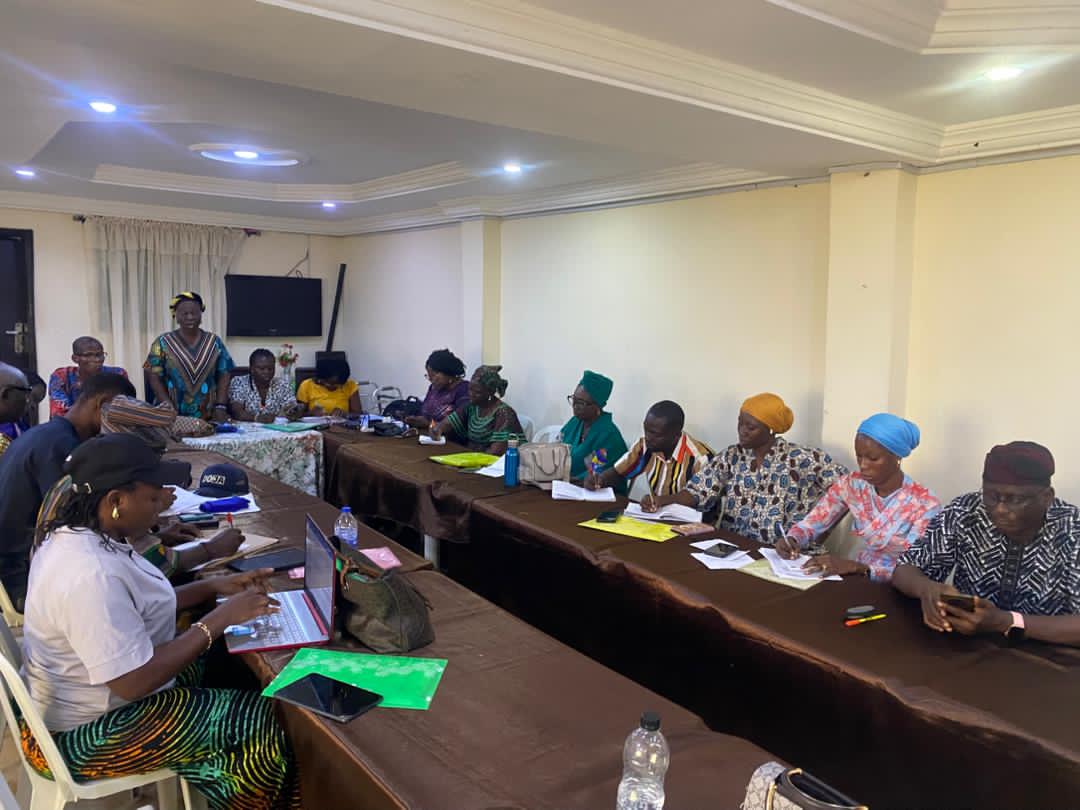
The alarm was sounded by the Civil Society in Malaria Control, Immunisation and Nutrition (ACOMIN) during its quarterly press briefing, where the group presented findings from its Community-Led Monitoring (CLM) intervention across the state.
According to ACOMIN, although treatment for HIV, TB and Malaria is largely free or heavily subsidised through government programmes and support from development partners, many patients can no longer afford the cost of travelling to healthcare facilities for consultations, tests and medication refills.
Speaking on behalf of the State Coordinator, Mrs. Funmilayo Olatunji, ACOMIN Programme Officer, Mrs. Chika Obioma, said the economic situation has become a major obstacle to healthcare access, threatening gains made over the years in the fight against the three diseases.
She noted that many patients are now missing critical clinic appointments because transportation expenses consume a significant portion of their income.
According to her, some families are increasingly forced to choose between feeding their households and attending hospital appointments, while daily wage earners often avoid visiting health facilities to prevent losing a day’s income.
Obioma warned that treatment interruptions could have serious public health consequences, including the emergence of drug-resistant strains of HIV, TB and Malaria.
Beyond the financial burden on patients, ACOMIN identified several structural challenges affecting healthcare delivery at the grassroots level.
The organisation said many Primary Healthcare Centres (PHCs) are severely understaffed, leaving a handful of workers to perform multiple responsibilities, including patient screening, testing, counselling, drug dispensing and record management.
According to the group, the shortage of personnel has resulted in long waiting times and reduced the quality of care available to patients.
The coalition also expressed concern over recurring shortages of essential medical supplies and diagnostic equipment in health facilities.
It noted that many centres lack adequate testing kits and functional diagnostic tools, including GeneXpert machines used in tuberculosis detection, leading to delayed diagnosis and treatment.
ACOMIN further lamented weak referral systems within the healthcare sector, saying many patients suffering from severe malaria or complicated TB and HIV cases are not effectively linked to higher-level health facilities for specialised care.
To address some of these challenges, the organisation said it has deployed the Community-Led Monitoring intervention with support from the Global Fund.
The initiative allows community members to identify gaps in healthcare delivery, monitor service quality and advocate for solutions at the local level.
According to the coalition, the programme has already recorded notable successes through community participation and resource mobilisation.
Several communities, it said, have contributed funds and materials to renovate health facilities, construct boreholes, procure hospital beds and provide essential items such as gloves, test kits and blood pressure monitors.
Communities have also supported healthcare delivery by engaging auxiliary personnel, including cleaners and security staff, to improve operations at local health centres.
Despite these efforts, ACOMIN stressed that community interventions alone cannot solve the broader challenges confronting healthcare delivery.
The organisation called on federal, state and local governments, development partners, private sector organisations, philanthropists and other stakeholders to intensify efforts aimed at improving access to healthcare services.
The group specifically advocated stronger referral systems, uninterrupted availability of medicines and diagnostic tools, increased investment in healthcare personnel and policies that reduce the financial burden on patients seeking treatment.
ACOMIN maintained that sustained progress against HIV/AIDS, TB and Malaria can only be achieved through a resilient healthcare system that places communities at the centre of service delivery and ensures that vulnerable citizens are not denied treatment because of economic hardship.
In her remarks, the State Coordinator, Mrs. Funmilayo Olatunji, urged Community-Led Monitoring officers and other stakeholders to educate patients on approved government healthcare charges to prevent exploitation and overbilling, while also encouraging them to be more proactive in carrying out their responsibilities.
Comments