



The world is on the move again: Travel in 2022

 Quick Read
As we are coming to the end of a very eventful year, there is convincing evidence that reveals global travel will continue to be on the rise, including in countries like Nigeria.
By Taiwo Okanlawon
As we are coming to the end of a very eventful year, there is convincing evidence that reveals global travel will continue to be on the rise, including in countries like Nigeria.
When international borders started to open in mid-2021, the travel and tourism industry expected a slow recovery, primarily due to too many travel restrictions still in place, coupled with an uneven vaccine rollout globally.
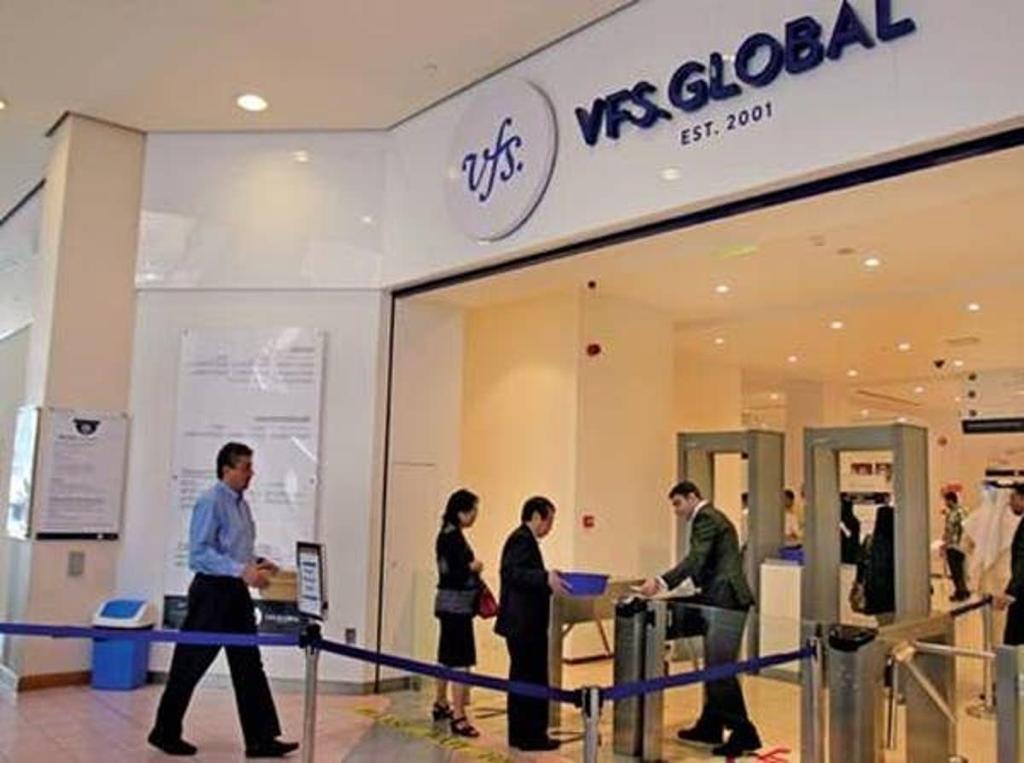
However, the surge in travel activity this year has taken the industry by surprise, exceeding the conservative recovery projections. According to leading visa outsourcing and technology services specialist VFS Global, the number of visa applications processed in 2022 from Nigeria have rise more than 40% in comparison to last year.
Hariprasad Viswanathan, Head- Sub Saharan Africa at VFS Global, says, “This increase is primarily driven by a high pent-up travel demand. With the opening of international borders, easing of travel restrictions, and the resumption of regular international flights, the industry is witnessing peak ‘revenge’ travel.”
Canada emerged as the top location for outbound travel from Nigeria in terms of visa application volumes. Schengen locations especially France also witnessed an increase in visa applications followed by South Africa and Saudi Arabia this year.
According to Viswanathan, the resumption of in-campus classes at overseas universities was also a major contributing factor to the spike in outbound traffic.
“Even though the effects of the pandemic remain omnipresent in certain parts of the world, many embassies are still inundated with visa applications,” he adds.
Agility is key
While traveller’s confidence is an important element in travel recovery, says Viswanathan, resilience and agility in restarting operations also played a key role.
He continues, “Keeping pace with the changes, our businesses have become even more customer-centric, resilient, and efficient right across our global network of 140+ countries. As a result, by December 2020, we were able to resume operations in 1,600 Visa Application Centres (more than half our global network), catering to over 50 client governments across 129 countries.”
Traveller confidence
Viswanathan further emphasises that health considerations and prioritising safe travel have become key priorities. Shifting customer expectations have fuelled the emergence and acceptance of contactless and Do it Yourself (DIY) technologies. “We have noticed wider acceptance of digital services that enhance customer convenience by minimising physical contact.
In line with this philosophy, we introduced services such as Digital Document Check (DDC) which enables customers to verify documents before visiting a visa application centre, thereby streamlining and shortening the in-person experience.”
Similarly, VFS Global’s Visa At Your Doorstep (VAYD) service provides customers with an end-to-end visa submission facility at a location of their choice. The popular service can now be booked through WhatsApp in some markets.
Sustainable travel on the rise
Post-pandemic, the world is also moving to an era where many travellers are making conscious decisions to reduce travel emissions and carbon footprints, support local communities, save water and energy resources or even seek eco-friendly accommodations.
The recent rise in eco-conscious travellers who seek to travel sustainably is also changing how businesses and locations are operating now from their ‘business as usual attributes to looking to transform journeys by offering meaningful experiences, added Viswanathan.
The way forward
He highlights the fact that innovation will remain the catalyst for change. Governments and other stakeholders continue to seek and develop new technologies that will enable a smoother international journey.
“A partner with the right technological competence and value proposition will play an essential role in helping to accelerate governments’ adoption of outsourcing services and boosting cross-border mobility,” concludes Viswanathan.
Comments