


Fuel Subsidy: Nigeria’s fuel consumption drops by 28%, says NMDPRA

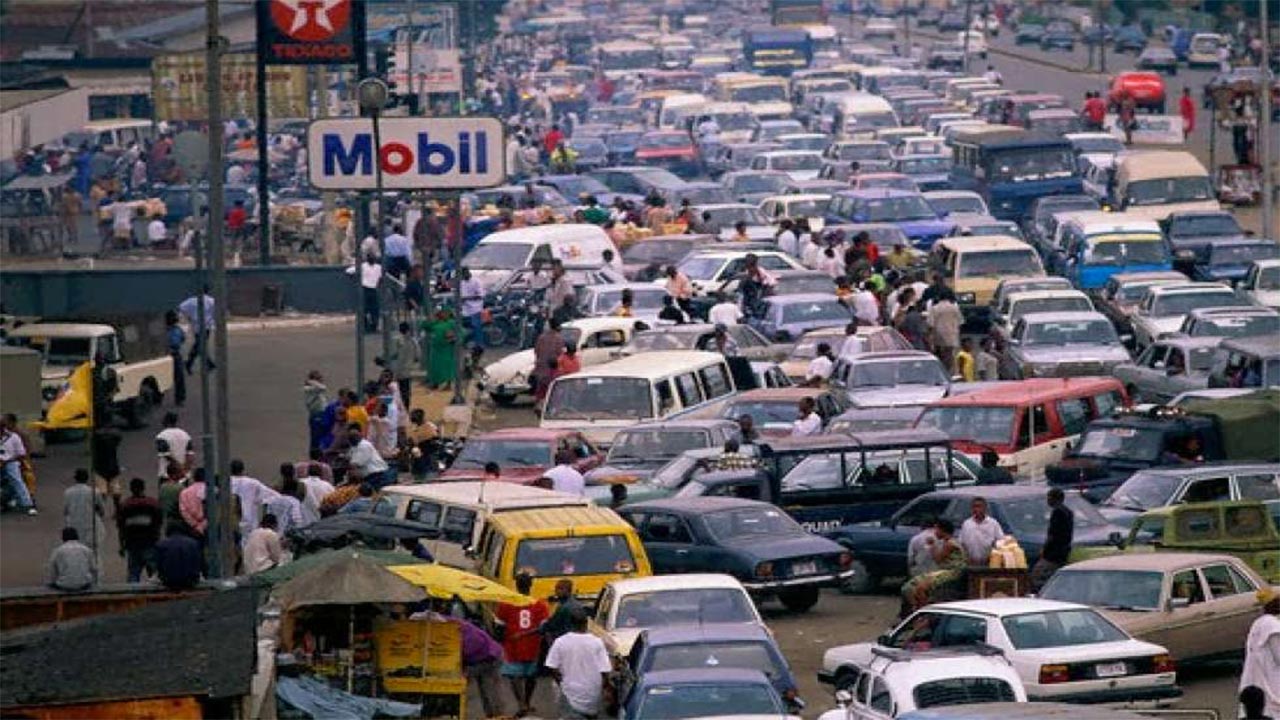
Average daily fuel usage in Nigeria has decreased by no less than 28%, according to the Nigerian Midstream and Downstream Petroleum Regulatory Authority (NMDPRA).
This comes after President Bola Ahmed Tinubu announced that fuel subsidies would be phased off.
According to NMDPRA data given to Reuters, average daily petrol consumption decreased to 48.43 million litres (13 million gallons) in June, down from 66.9 million the previous month.
The petroleum regulatory industry stated that since the subsidy was eliminated, neighbouring countries such as Cameroon, Benin, and Togo, which relied on smuggled petrol from Nigeria, have seen their black markets collapse.
During his inaugural speech on May 29, 2023, President Tinubu announced the elimination of fuel subsidies, which had kept petrol prices low for decades.
In his Democracy Day speech on June 12, the President acknowledged that eliminating fuel subsidies would place an additional hardship on the masses, but he urged the country’s good people to bear the brunt of the decision since it would “save our country from going under.”
The elimination of the fuel subsidy, which quadrupled the price of petrol, has had an impact on nearly every sector of the economy, resulting in an increase in the price of products and services across the country.
Despite spending $2.41 billion, the World Bank said Nigeria might save up to $5.10 billion this year as a result of fuel subsidy elimination and foreign exchange reforms.
Last year, the Nigerian government spent $10 billion (£7.8 billion) on the subsidy.
Comments