


How unexplained wealth could be beneficial to state – EFCC

 Quick Read
EFCC boss noted that unexplained wealth could only be beneficial to the state if they are forfeited, even as he mentioned that since inception, the EFCC had secured sizable assets from fraudsters, which include houses, vehicles, barges, jewelry, money, furniture items, properties, among others.
By Taiwo Okanlawon
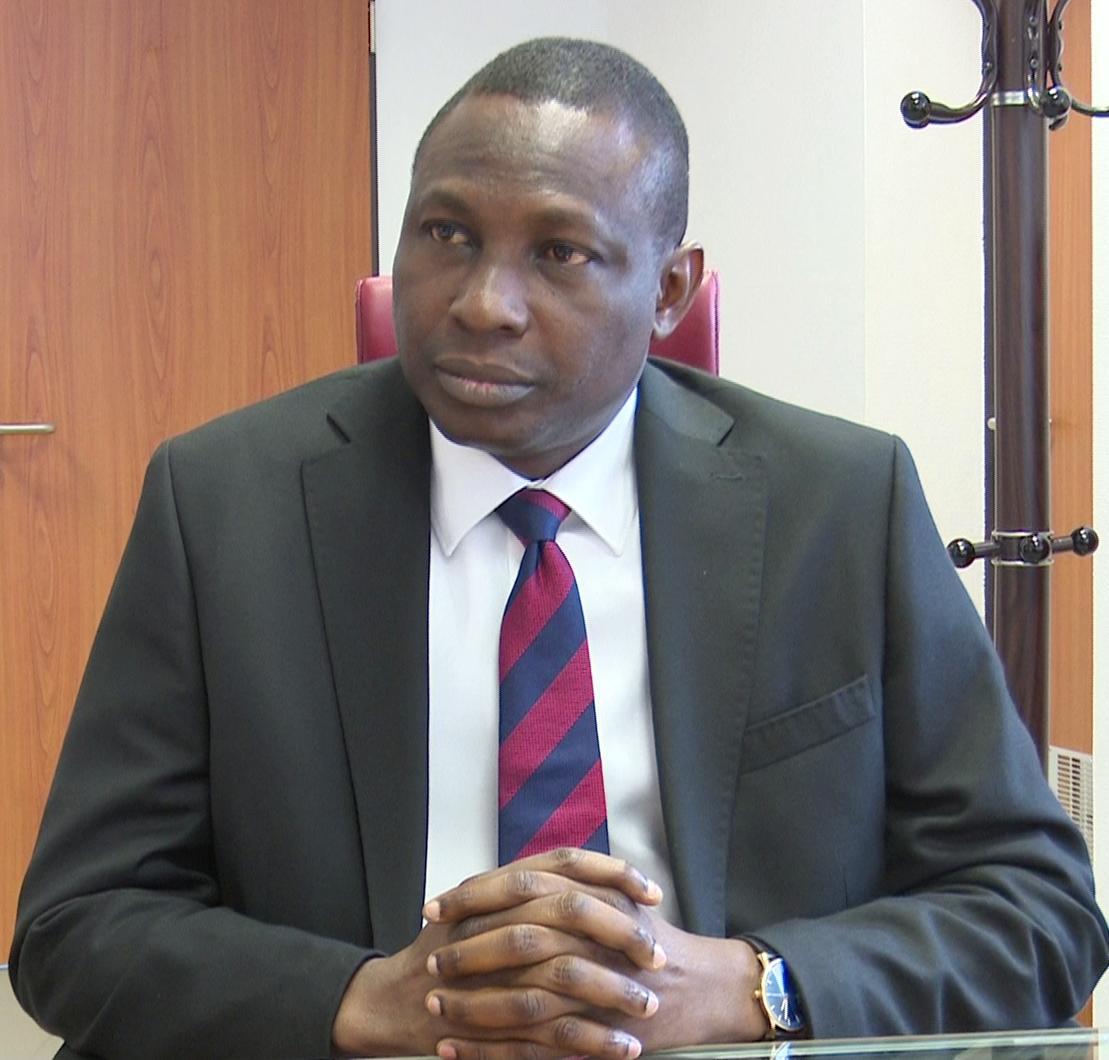
Executive Chairman of the Economic and Financial Crimes Commission, EFCC, Ola Olukoyede, has called for legislation against unexplained wealth in Nigeria.
The anti-graft agency explained that such a law would help check the country’s criminal activities of treasury looters.
The Chairman made the call during the Two-Day International Law Conference with the theme: “Unexplained Wealth in the Global South: Examining the Asset Recovery and Return Trajectory,” organized by Christopher University, Mowe Ogun State.
Represented by the EFCC Abuja Zonal Commander, ACE1 Adebayo Adeniyi, the Chairman emphasized that many foreign countries have adopted the Unexplained Wealth Orders, UWOs as a tool for tackling treasury looting and corruption since it came into force in 2018, regretting that Nigeria is yet to promulgate such a law but only relies on the provisions of Section 7 of its Establishment Act to act.
“The issue of unexplained wealth is not a local issue. There are jurisdictional legislations across the world to tackle it. Till date, countries of the world are faced with criminalities emanating from money laundering practices and illicit funds. This circumstance led to the promulgation of Unexplained Wealth Orders, UWOs that came into force in 2018. Several countries, such as the United Kingdom, Australia, Mauritius and African countries like Kenya, Zimbabwe, and Trinidad and Tobago in the Caribbean have come up with UWO. Nigeria is yet to come up with a national legislation on it.
“Owing to the absence of legislation on the issue of unexplained wealth, the EFCC continues to rely on provisions of Section 7 of its Establishment Act to handle it.”
The Chairman noted that unexplained wealth could only be beneficial to the state if they are forfeited, even as he mentioned that since inception, the EFCC had secured sizable assets from fraudsters, which include houses, vehicles, barges, jewelry, money, furniture items, properties, among others.
“Procedures for asset forfeiture usually involve the prosecution of the suspected fraudster. Assets may be forfeited on an interim basis and may also be forfeited permanently, depending on the position of the law and the court. However, whether interim forfeiture or permanent forfeiture, what is important is for every ill-gotten wealth to be recovered and kept with the government.” He added.
He urged the public to be forthcoming about suspicious assets in their various communities, as the Commission would work better only if intelligence and information were readily available.
Olukoyede also identified some delays in asset recovery in Nigeria, including the technicality of prosecution of looted assets that sometimes require publication in major newspapers and recovery of stolen funds stashed in foreign jurisdictions.
“Recovery of stolen funds stashed in foreign jurisdictions is more complex. Institutions of state Institutions of state are usually involved in the recovery of such funds and this takes far more time and effort. The return trajectory involved in this may even take years and this can be frustrating to anti-corruption agencies or government institutions involved in the recovery. Nigeria is having such instances in the recovery of looted funds by many government officials.” He said.
Comments