


Redefining Heritage: Oluwaseun Olukoya’s Ọ̀ṣọ́ Àrà Collection Fuses Tradition with Modern Flair

 Quick Read
Omoyemi notes how the collection combines "traditional Yoruba materials with high-fashion elements," such as exaggerated sleeves, delicate lacework, and hand-beaded embellishments. The silhouettes themselves—a nod to the iconic "Oleku" wrapper—are reimagined for the modern age. They feel structured, almost architectural, like wearable art, not just clothing for children.
By Oluwapelumi Oluwayemi
In a fashion world dominated by the familiar, it’s rare to find a collection that dares to innovate while paying homage to its cultural roots.
Oluwaseun Olukoya, the visionary behind Wonderchildforkids, achieves exactly that with her latest offering, the Ọ̀ṣọ́ Àrà Collection—a seamless blend of Yoruba tradition and contemporary design.
This collection doesn’t just present children’s couture; it reframes heritage in a way that speaks to both the old and the new, a feat few designers are brave enough to tackle.
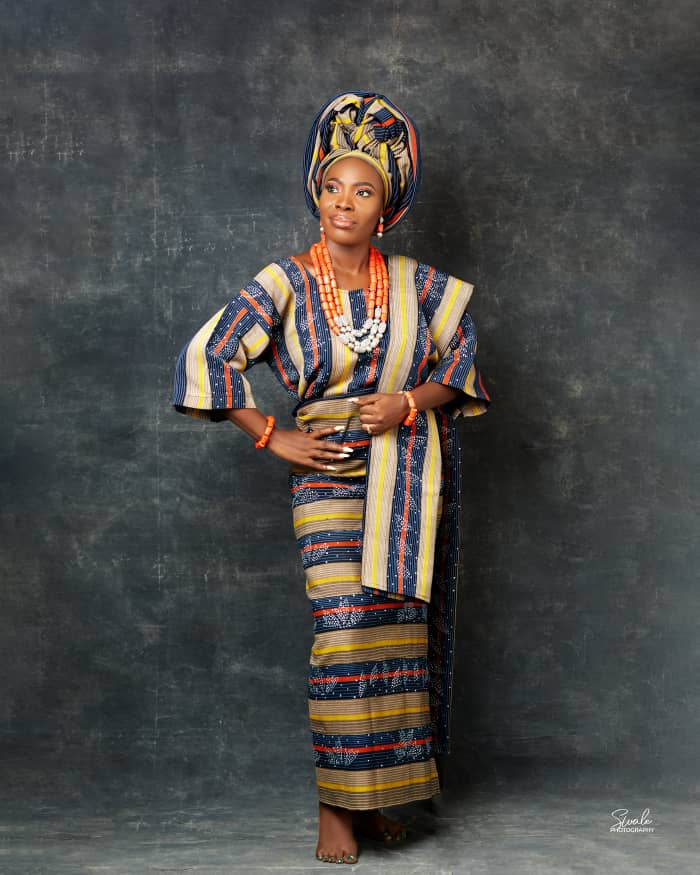
The vibrant palette that defines the collection hits you first. It’s not just the colors themselves—rich reds, regal purples, sun-kissed yellows, and serene greens—but the way they interplay across the fabric that feels refreshing and alive.
Omoyemi Akerele, Founder and CEO of Lagos Fashion Week, describes the effect as “visually stunning yet deeply rooted in Yoruba culture.”
What makes it unique is how these tones evoke the jubilant spirit of Yoruba celebrations, without feeling trapped in the past. They’re reminiscent of traditional festivals, yet they pulse with a modern energy that feels decidedly fresh.
What sets Oluwaseun apart is her modern interpretation of Aso Oke, the iconic Nigerian textiles. She takes what could easily have been another nostalgic rehash and turns it into something bold and new.
Omoyemi notes how the collection combines “traditional Yoruba materials with high-fashion elements,” such as exaggerated sleeves, delicate lacework, and hand-beaded embellishments. The silhouettes themselves—a nod to the iconic “Oleku” wrapper—are reimagined for the modern age. They feel structured, almost architectural, like wearable art, not just clothing for children.
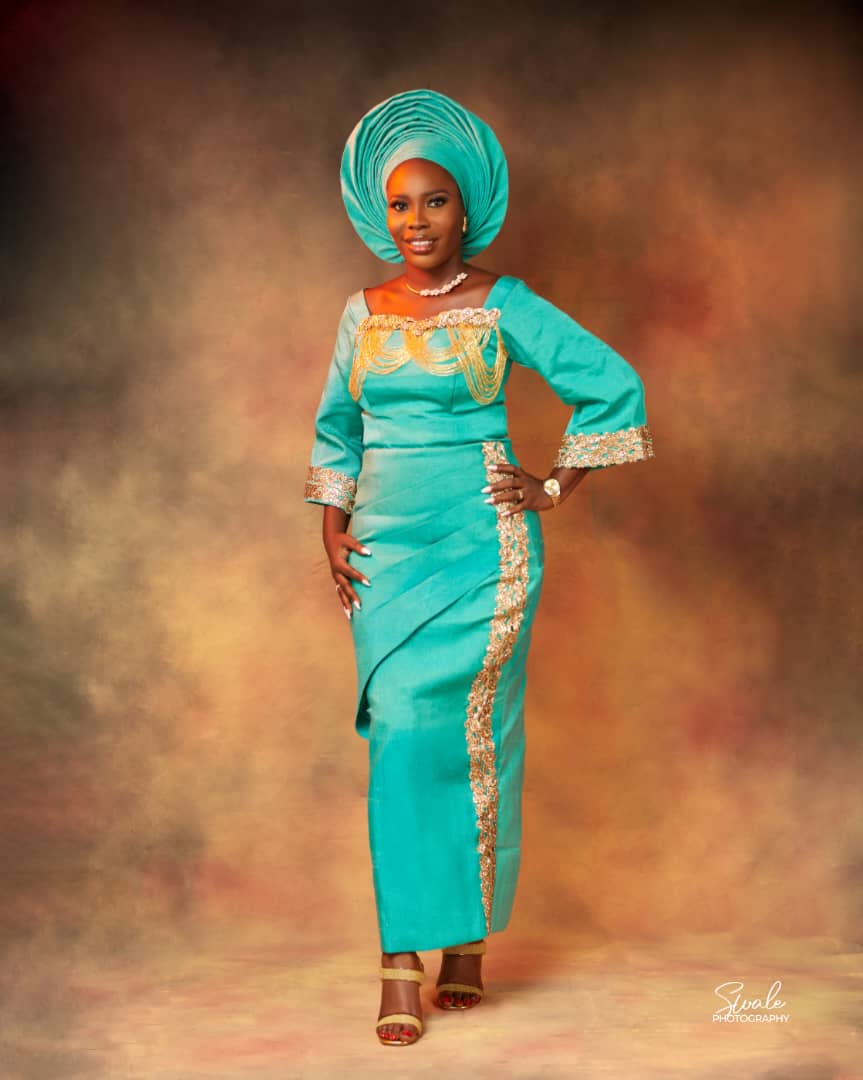
The true power of the Ọ̀ṣọ́ Àrà Collection, however, lies in its symbolism. Each bead, appliqué, and head gear isn’t just decorative; they tell a story, echoing Yoruba folklore, traditions, and craftsmanship. Unlike many collections aimed at young audiences that feel watered down or overly simplified, Oluwaseun treats children’s fashion with the respect it deserves. There’s depth, substance, and intention behind every detail, proving that children’s fashion can be as culturally significant and innovative as any adult couture line.
Critically, Oluwaseun’s work disrupts the global fashion narrative. In a time when trends seem to homogenize overnight, she unapologetically centers Yoruba heritage at the heart of her designs. Omoyemi reflects on this shift, stating, “Oluwaseun is challenging the international fashion scene to rethink its narrow definitions of luxury by showcasing the richness of African heritage.” It’s a bold statement, but one that feels necessary, especially in an industry that’s increasingly losing touch with its roots amid the whirlwinds of fast fashion.
What’s most striking about the collection is its craftsmanship. Every detail—be it the hand-applied beads, the intricate stitching, or the layered fabric appliqués—speaks to a dedication to quality that feels almost old-world. This isn’t just fashion churned out for the sake of keeping up with trends. Each piece is handcrafted, intentional, and purposeful, setting a new standard for children’s fashion. In an era where convenience often takes precedence over care, Oluwaseun has created a collection that insists on the value of tradition and quality.
Having overseen Lagos Fashion Week for years and been an astute observer of fashion’s evolving trends, Akerele sees Oluwaseun as part of a larger shift. “Her ability to fuse cultural heritage with modern design elements is inspiring a new generation of designers—not just in Nigeria, but internationally. This collection challenges designers to look inward, to tap into their own histories and find ways to make them relevant on a global scale.”
In the end, the Ọ̀ṣọ́ Àrà Collection is more than just a beautiful assembly of clothes—it’s a cultural statement. Oluwaseun Olukoya isn’t simply preserving Yoruba tradition; she’s transforming it for the next generation, ensuring that it resonates both locally and internationally.
By blending heritage with innovation, she’s redefining what luxury fashion can be, especially in the world of children’s couture. This collection is a call to designers everywhere to elevate their craft, to dig deeper, and to find ways to make fashion truly meaningful again.
Comments