



US, Iran agree deal in principle to finally reopen Strait of Hormuz

 Quick Read
“The negotiations are proceeding in an orderly and constructive manner, and I have informed my representatives not to rush into a deal in that time is on our side.
The United States and Iran have reportedly reached an in-principle agreement to reopen the strategic Strait of Hormuz, a move that could ease months of escalating tension in the Middle East and calm global oil markets.
According to senior officials cited in international reports, the deal—yet to be formally signed—also signals a possible winding down of the ongoing conflict in the region.
Iran, however, has not publicly confirmed the agreement, and officials in Tehran are said to be divided on the final shape of any deal.
The agreement still requires approval from U.S. President Donald Trump and Iran’s top leadership, a process expected to take several days.
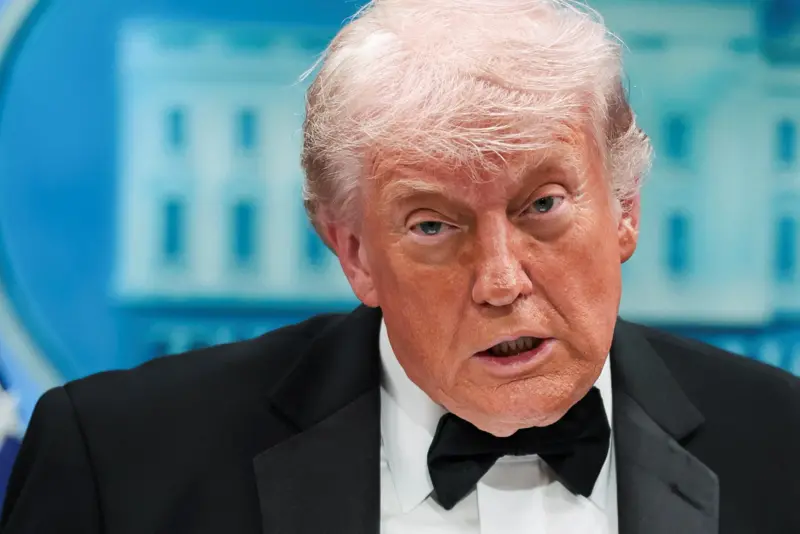
Trump, speaking via Truth Social, maintained that negotiations are still ongoing and not being rushed. He wrote:
“The negotiations are proceeding in an orderly and constructive manner, and I have informed my representatives not to rush into a deal in that time is on our side.
The Blockade will remain in full force and effect until an agreement is reached, certified, and signed. Both sides must take their time and get it right. There can be no mistakes!
Our relationship with Iran is becoming a much more professional and productive one. They must understand, however, that they cannot develop or procure a Nuclear Weapon or Bomb.
One of the worst deals ever made by our Country was the Iran Nuclear Deal, put forth and signed into existence by Barack Hussein Obama and the rank amateurs of the Obama Administration.
It was a direct path to Iran developing a Nuclear Weapon. Not so with the transaction currently being negotiated with Iran by the Trump Administration – THE EXACT OPPOSITE, in fact!
I would like to thank, thus far, all of the countries of the Middle East for their support and cooperation, which will be further enhanced and strengthened by their joining the Nations of the historic Abraham Accords and, who knows, perhaps the Islamic Republic of Iran would like to join, as well! Thank you for your attention to this matter.”
U.S. Secretary of State Marco Rubio also confirmed progress in talks, saying Washington had made “significant progress” in negotiations during a diplomatic visit to India.
“It’s suffice to say that some progress has been made, significant progress, although not final progress has been made.”
He added that further updates could be expected soon, suggesting discussions were entering a decisive phase.
The proposed arrangement reportedly includes Iran agreeing to reduce or transfer parts of its highly enriched uranium stockpile, while the U.S. would move toward lifting its naval blockade of Iranian ports and reopening the Strait of Hormuz “without tolls.”
The Strait, one of the world’s most critical oil shipping routes, has remained largely shut amid months of military tension, sending global oil and gas prices soaring and raising fears of a wider energy crisis.
Experts warn it could take weeks or even months for global supply chains and energy prices to stabilize even if the waterway is reopened.
Tensions between the two countries escalated sharply following months of military confrontation, including strikes and counterstrikes that have destabilized the Gulf region. A ceasefire has reportedly held since April 7, though sporadic clashes continue.
Iran insists its nuclear programme is peaceful and maintains it will not abandon its right to nuclear technology.
Meanwhile, Israel has reportedly expressed concern over the emerging deal, with officials warning they will maintain “freedom of action” against any perceived threats.
Comments