



EDITORIAL: Warri–Itakpe Train tragedy: A wake-up call for Transport Safety

 Quick Read
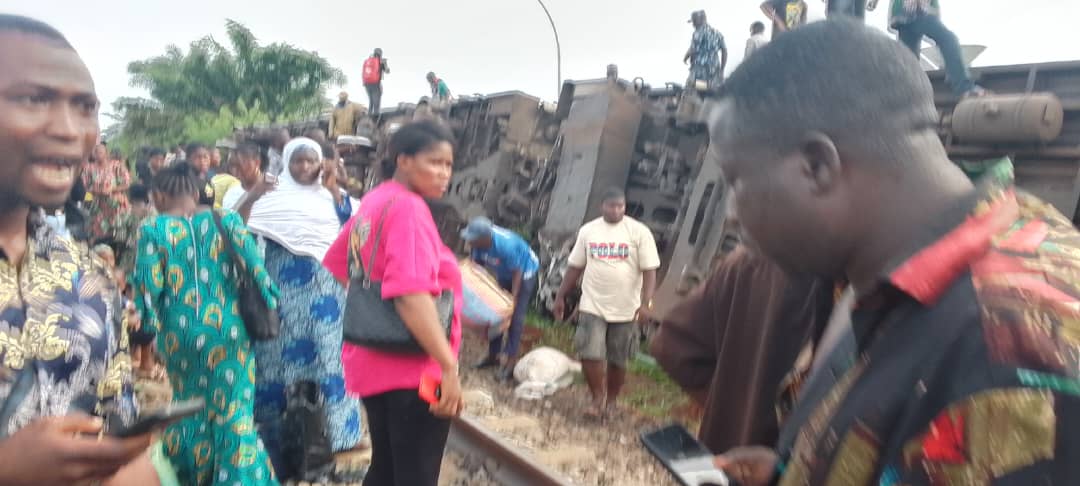
The tragic derailment of the Warri–Itakpe Train Service near Agbor, Delta State, which claimed four lives and left dozens injured, is a painful reminder that transportation safety must never be taken for granted. According to official reports, more than 480 passengers, crew members, security personnel and service providers were on board when the accident occurred.
The tragic derailment of the Warri–Itakpe Train Service near Agbor, Delta State, which claimed four lives and left dozens injured, is a painful reminder that transportation safety must never be taken for granted. According to official reports, more than 480 passengers, crew members, security personnel and service providers were on board when the accident occurred.
First, our thoughts are with the families of those who lost loved ones and those recovering from injuries. No one boards a train expecting that the journey could end in tragedy.
Over the past few years, Nigeria has invested heavily in rail transportation. New rail corridors have been commissioned, old routes have been revived and many Nigerians have embraced train travel as a safer and more affordable alternative to road transport. The Warri–Itakpe line, inaugurated in 2020, has become a vital link for passengers and businesses in several states.
However, expansion without a strong safety culture is dangerous. Every accident should raise difficult questions. Was the rail infrastructure properly maintained? Were there warning signs that were ignored? Were safety inspections carried out regularly? Did emergency response systems function as they should? Nigerians deserve clear answers.
What makes this incident even more troubling is that the Warri–Itakpe corridor has experienced operational disruptions and derailment-related incidents in the past. The route was temporarily suspended at different times for technical assessments and safety concerns.
The Federal Government and the Nigerian Railway Corporation must therefore treat this accident as more than an isolated event. A comprehensive and transparent investigation should be conducted, and its findings made public. The aim should not be to assign blame but to prevent a recurrence.
Beyond the investigation, Nigeria needs a stronger railway safety framework. Tracks, coaches, signalling systems and locomotives must undergo routine inspections. Railway infrastructure should be protected against vandalism and sabotage, while emergency response units must be adequately equipped and trained. Public confidence in rail transportation depends on the assurance that safety comes first.
The Warri–Itakpe tragedy also highlights a broader lesson. Infrastructure projects should not be measured only by the number of kilometres completed or the number of passengers transported. Their success should also be measured by how safely people travel.
As Nigeria continues to modernise its transportation network, safety standards must keep pace with ambition. Development loses its value when lives are lost unnecessarily. The best tribute to the victims of the Warri–Itakpe train accident is to ensure that lessons are learnt and that such a tragedy never happens again.
Comments