


Shipping returns to Hormuz after US eases pressure on Iran

 Quick Read
Observers are now watching closely for the formal signing of the agreement later this week, which is expected to outline the next steps in implementing the ceasefire and rebuilding diplomatic relations between the parties involved
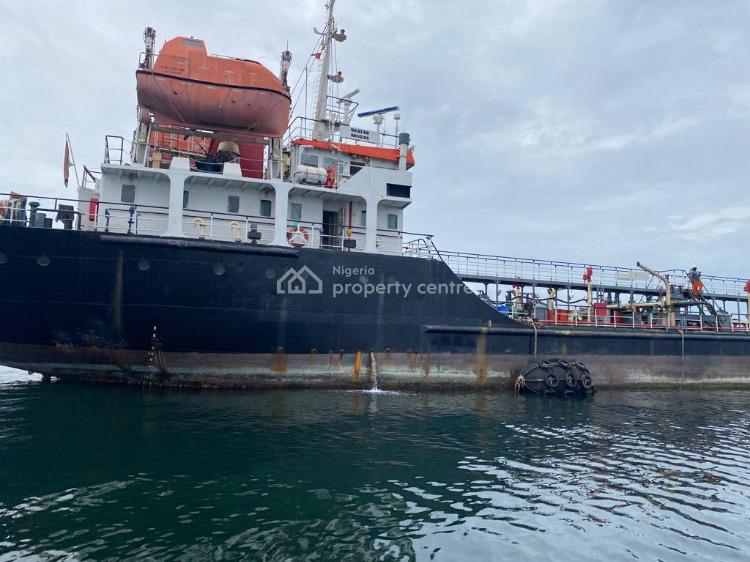
Five Iranian vessels have successfully passed through the Strait of Hormuz after the United States eased its naval blockade, according to the Islamic Revolutionary Guard Corps (IRGC).
The IRGC said the vessels consisted of three oil tankers and two cargo ships carrying essential goods into the country. The military body described the development as a significant breakthrough, noting that the easing of restrictions has now become operational.
The announcement came only hours after the US military issued an advisory stating that restrictions on Iranian ports would remain in place until a memorandum of understanding (MoU) between Washington and Tehran is formally signed on June 19.
The United States imposed the naval blockade in April as part of efforts to increase pressure on Iran during a period of heightened tensions in the region.
The blockade prevented ships travelling to and from Iranian ports from freely navigating through the Strait of Hormuz, a strategic waterway that handles a large percentage of the world’s oil and gas shipments.
The Strait of Hormuz is considered one of the most important maritime routes in the world because it connects oil-producing countries in the Gulf to international markets.
Any disruption to shipping activities in the area often raises concerns about global energy supplies and oil prices.
Earlier this week, Iran, the United States and Pakistan announced that they had finalised a framework agreement aimed at ending the conflict after several weeks of negotiations.
Officials from the three countries said the agreement would be formally signed in Switzerland on Friday.
Following the announcement, US President Donald Trump reportedly directed American authorities to begin lifting the anti-Iran naval blockade, paving the way for the resumption of commercial maritime activities.
The passage of the five Iranian vessels is being viewed as one of the first practical outcomes of the agreement and could signal a gradual return to normal trade operations.
Analysts say the move may help reduce tensions in the Gulf region and improve confidence among international shipping companies.
Observers are now watching closely for the formal signing of the agreement later this week, which is expected to outline the next steps in implementing the ceasefire and rebuilding diplomatic relations between the parties involved.
The development has also sparked hopes of greater stability in the Middle East and smoother movement of goods through one of the world’s busiest shipping corridors.
Comments