


Again, Iran blocks Strait of Hormuz, gives reasons

 Quick Read
The renewed violence has also disrupted diplomatic efforts aimed at stabilising the wider Middle East situation.
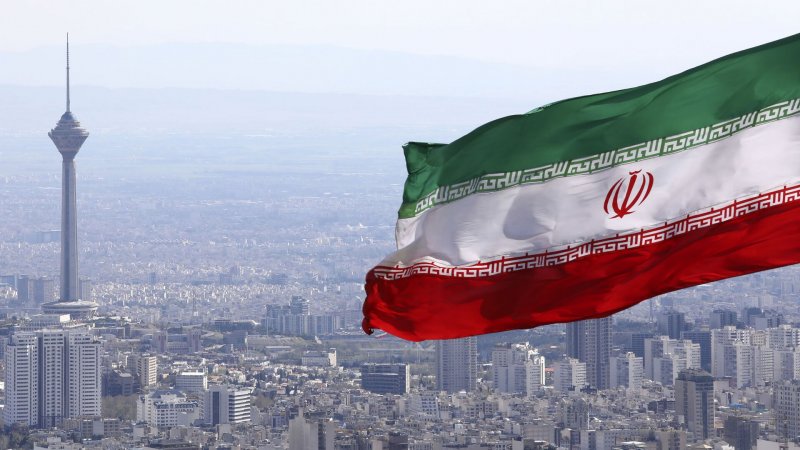
Iran has announced that it is closing the Strait of Hormuz again following renewed fighting between Israel and Hezbollah in southern Lebanon.
The decision was announced by Iran’s military authorities, who said the move was in response to what they described as continued Israeli military attacks in Lebanon despite a ceasefire arrangement.
According to Iran, Israel’s operations in southern Lebanon amount to a violation of a recent agreement that was meant to reduce tensions in the region.
Iran linked its decision directly to the ongoing clashes and accused Israel of worsening instability in the Middle East through repeated airstrikes and military actions.
The Strait of Hormuz is one of the most important waterways in the world because it is used for the transportation of oil and gas from the Middle East to global markets.
A large percentage of the world’s petroleum passes through this narrow sea route. Because of this, any disruption or closure of the strait usually raises concerns about global oil supply, energy prices, and international trade stability.
Tensions in Lebanon have continued despite a ceasefire announcement supported by the United States and Qatar.
Israeli forces have reportedly carried out fresh airstrikes in southern Lebanon, while Hezbollah fighters say they have responded to Israeli military movements near key strategic areas. Both sides are blaming each other for breaking the truce.
Reports from the region indicate that fighting has remained intense, with casualties recorded in several locations in southern Lebanon.
Israeli officials maintain that their actions are in response to rocket fire and attacks from Hezbollah, while Hezbollah insists it is acting in self-defence against Israeli incursions.
The renewed violence has also disrupted diplomatic efforts aimed at stabilising the wider Middle East situation.
Talks involving the United States, Iran, and other international mediators had been expected to continue in Switzerland, but those discussions have now been delayed due to the escalation in fighting.
Despite the setbacks, international actors are still calling for restraint and a return to negotiations, warning that further escalation could have serious consequences not only for the region but also for global energy markets and international security.
Comments