


US, China reach trade framework amid 100% tariff threat

 Quick Read
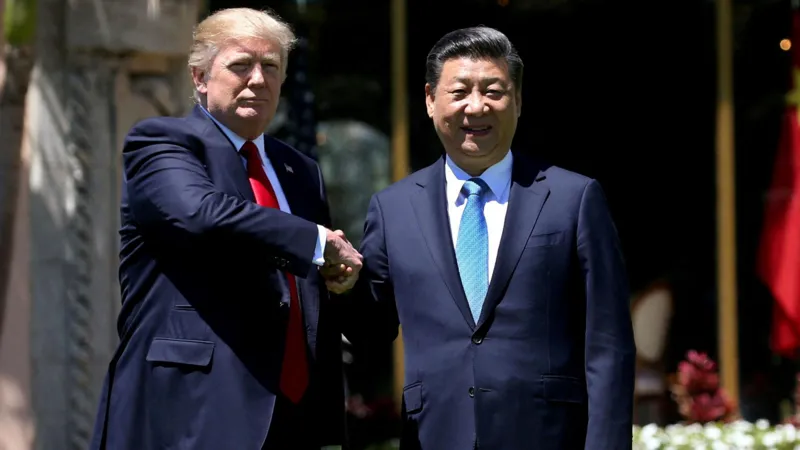
The United States and China have agreed on the framework of a new trade deal, their first in nearly six years, just days before President Donald Trump and Chinese President Xi Jinping meet in South Korea.
The United States and China have agreed on the framework of a new trade deal, their first in nearly six years, just days before President Donald Trump and Chinese President Xi Jinping meet in South Korea.
US Trade Secretary Scott Bessent confirmed the agreement on Sunday, saying it includes a final decision on TikTok’s US operations and a temporary suspension of China’s tightened rare earth mineral export rules.
Bessent added that the 100% tariffs earlier threatened by President Trump on Chinese goods are “unlikely to take effect,” though he stopped short of saying they had been fully scrapped.
Under the new framework, China is also expected to resume large-scale soybean purchases from the US, a move that could provide relief for American farmers who have been hit hard by Beijing’s earlier trade restrictions.
Bessent met with senior Chinese trade officials at the sidelines of the ASEAN summit in Malaysia, describing the talks as “constructive” and confirming both countries have reached “a substantial framework” for their leaders to finalise.
The long-running tensions between Washington and Beijing had escalated after Trump announced plans to impose steep tariffs on Chinese imports unless China relaxed its new export rules on rare earth minerals, key materials used in smartphones, electric cars, and military equipment.
China, which controls about 90% of global rare earth processing, has now agreed to pause those restrictions for a year as part of the new deal.
“I don’t believe the tariffs will go into force,” Bessent told CBS News, hinting that the framework would avert a new round of trade conflict.
Trump and Xi are expected to seal the agreement later this week during their meeting in Seoul, in what could mark a turning point for economic relations between the world’s two largest economies.
Comments